A wave of systems including wearables, Wi‑Fi sensing and privacy‑preserving devices promise faster help after a fall. Evidence is early and experimental, but they could complement pendants with attention to comfort, privacy and response plans.
Why this matters
Falls are a major threat to independence in later life. Traditional pendant alarms rely on you pressing a button. Newer systems aim to detect a fall automatically and alert someone without you needing to act. A recent scoping review and several pilot studies point to three promising approaches: wearables, Wi‑Fi sensing and privacy‑preserving non‑contact systems. Results in controlled settings are encouraging, but long‑term, real‑world performance and UK integration remain uncertain. The potential benefit is faster assistance. The practical task is choosing technology that fits your life, home and privacy preferences.
Three ways to detect a fall
1) Wearables and smartwatches
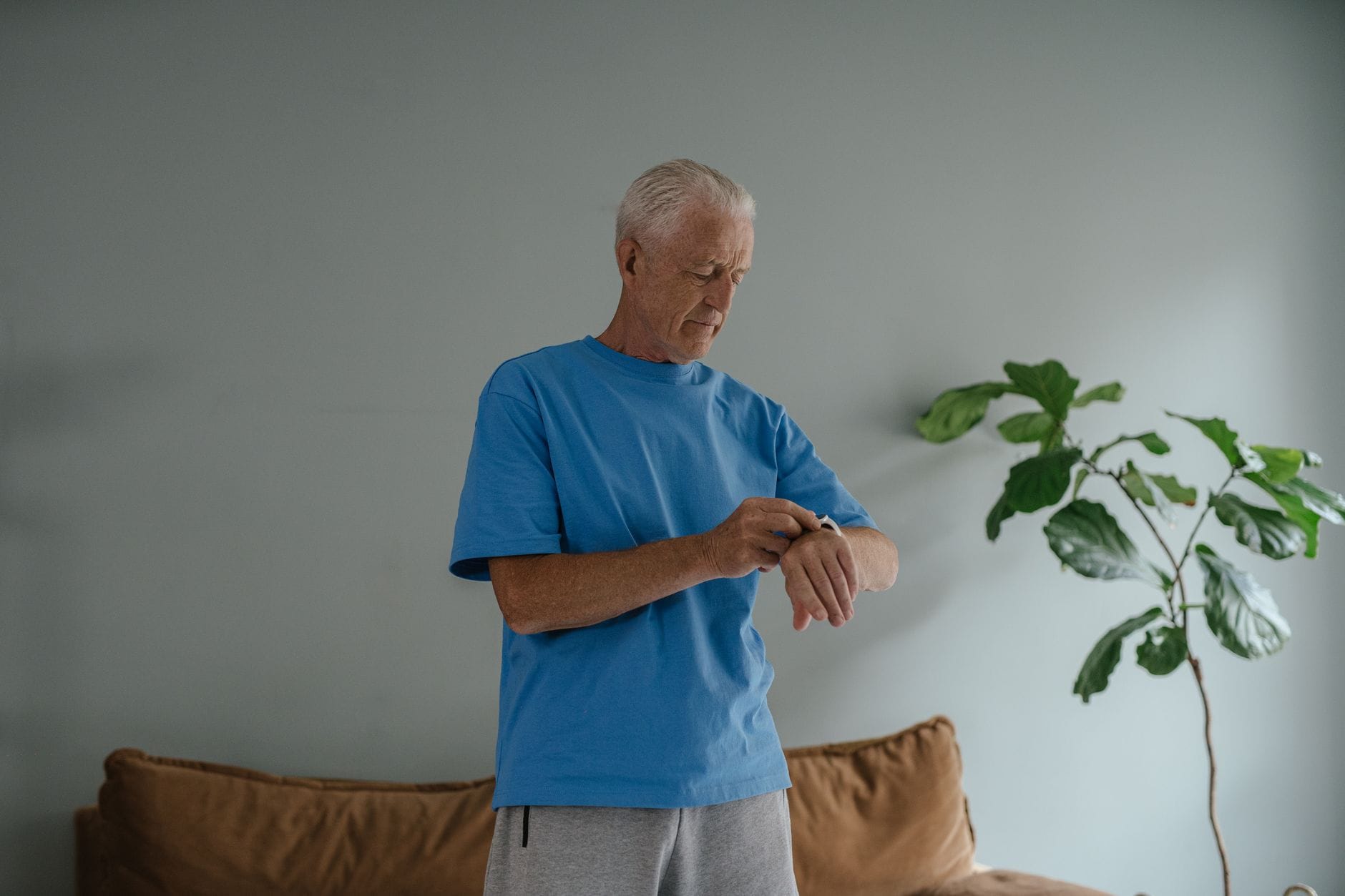
What they are: Devices with inertial measurement units (IMUs) that track movement and acceleration. These include research‑grade wearables and consumer smartwatches, sometimes paired with a smartphone.
What we know: In an experimental study, a smartwatch‑assisted system paired with a smartphone reached 92.7% accuracy. Other wearable research shows feasibility of sensor‑based monitoring in older adults with a history of falls.
What to consider: - You must wear and charge them consistently. Comfort and habit matter. - Check battery life, waterproofing and smartphone compatibility. - Clarify who receives alerts (family, carer or a monitoring centre) and typical response times in UK settings. - Ask for evidence of false alarms and missed detections outside the lab.
2) Wi‑Fi based sensing
What it is: Systems that analyse changes in Wi‑Fi radio signals around you and use machine learning, including recurrent neural networks, to infer if a fall has occurred without you wearing a device.
What we know: Proposed for smart homes, with promising results in controlled experiments.
What to consider: - Requires home installation and robust Wi‑Fi or broadband coverage. - Ask vendors about performance in common UK housing, such as solid‑wall homes and flats, in busy networks and during power cuts. - Confirm who gets alerts and how the system integrates with existing UK telecare pathways. - Check data protection measures and where processing happens, locally or in the cloud.
3) Privacy‑preserving non‑contact sensors
What they are: Ambient sensors designed to avoid conventional video monitoring by processing data on the device. Some use skeletal pose tracking to detect a fall.
What we know: Piloted in a nursing home setting, suggesting feasibility in care environments.
What to consider: - Clarify whether any video is used, how data are anonymised and whether processing is on the device. - Ask about UK GDPR compliance, UKCA marking and service quality standards. - Explore installation complexity, coverage in multi‑room or multi‑resident spaces and how alerts flow to staff or family.
The common thread: on‑device intelligence
Across these approaches, machine learning and edge processing are common. This can reduce the need to send raw data off‑site and may speed up detection. It also raises practical questions: how updates are delivered, what data leave your home and how systems handle network outages.
For individuals living independently
If you dislike pendants or forget to wear them, auto‑detection from a smartwatch or from ambient sensors can be appealing. Before committing: - Trial first. Look for a returns policy or a short‑term pilot. - Ask for real‑world performance data in homes like yours over months, not just lab accuracy. - Clarify the response pathway: who is contacted, in what order and average response times in the UK. - Check the total cost: device price, installation, subscriptions and monitoring fees. - Confirm UKCA marking, GDPR safeguards and where data are processed. - For wearables: check comfort, charging routine, waterproofing and compatibility with your smartphone. - For Wi‑Fi or non‑contact systems: confirm installation requirements, broadband or Wi‑Fi coverage and operation during network issues or power cuts.
For care homes and sheltered housing
Pilot studies indicate privacy‑preserving ambient sensing can work in care settings. If you are evaluating options: - Assess installation complexity and maintenance. - Investigate performance in multi‑resident environments and potential interference. - Map how alerts integrate with existing telecare platforms and staff workflows. - Request evidence on false alarms and missed detections over extended periods, not just short trials. - Consider total costs and training needs.
Assessment versus detection
Wearable sensors that assess gait or mobility can help understand fall risk or track recovery after a fall. They are not the same as fall detection systems and should not be presented as such without validation.
What we still do not know
Current evidence is largely pilot or experimental. Important unanswered questions remain: - Real‑world sensitivity, specificity and false alarm rates in typical UK homes and care facilities over months. - Impact on outcomes such as time to assistance, injury severity, fear of falling and hospital length of stay compared with pendants or usual care. - Long‑term user acceptance and adherence among adults 60+ in the UK, including those with cognitive impairment. - Total costs and cost‑effectiveness for UK health and social care systems. - Integration with UK telecare providers, NHS pathways and emergency services. - Reliability of Wi‑Fi based systems in UK housing stock and during network congestion or power cuts.
How to choose today
If you want automatic detection now, start with a time‑limited trial. Choose a smartwatch‑based system if you are comfortable wearing and charging devices, or a privacy‑preserving ambient option if you prefer not to wear anything. In both cases, prioritise clear evidence of real‑world performance, a documented response plan, UK regulatory and data protection safeguards and a straightforward exit route if it does not fit your life. These systems look promising as complements to pendants. Proving their everyday value in UK homes is the next step.
Find out more
- Personal alarms, monitoring systems (telecare) and key safes - Social care and support guide - NHS — NHS guide to personal alarms, telecare and key safes — practical information on what telecare is, how monitored alarms work, how to find providers (including the Telecare Services Association) and buying/installation considerations in the UK.
- Telecare National Action Plan: protecting telecare users through the digital phone switchover - GOV.UK — GOV.UK guidance on telecare and the digital phone switchover — explains requirements for telecare providers, equipment testing and how services must adapt as phone networks move to IP, an important practical issue for connected fall‑detection systems.
- ICO releases draft guidance on Internet of Things devices — Explainer of the ICO's draft guidance on Internet of Things devices — useful summary of the UK regulator’s expectations for data protection, privacy impact assessments and handling of health‑related or household IoT data.
- Emerging Digital Technologies Used for Fall Detection in Older Adults in Aged Care: A Scoping Review. - Abstract — PubMed entry for a recent scoping review of emerging digital fall‑detection technologies in aged care — a primary, research‑level source summarising sensor types, communication methods and the current evidence base.
Image: Photo: SHVETS production / Pexels