A 2025 review finds AI‑enabled wearables and home sensors can flag problems earlier and support routines like medication taking. Real value depends on simple design, privacy protection and integration with care.
Artificial intelligence is moving from headlines to everyday tools on the wrist and around the home. A 2025 peer‑reviewed review reports that AI‑enabled wearables and ambient home systems can help people stay healthier and more independent by detecting issues earlier and supporting daily routines. The benefits depend on usability, privacy and links to care rather than clever algorithms alone.
Why this matters now
Frailty and small declines that go unnoticed can snowball into falls, hospital stays and lost confidence. Tools that flag change early, or make everyday tasks like taking medicines easier, may help people intervene sooner and keep routines on track. The review also suggests that well‑designed systems, supported by sensible policies, can ease caregiver load and may reduce healthcare use. That promise is meaningful only if the technology fits real lives.
What these tools are
- Wearables are body‑worn devices such as watches or patches.
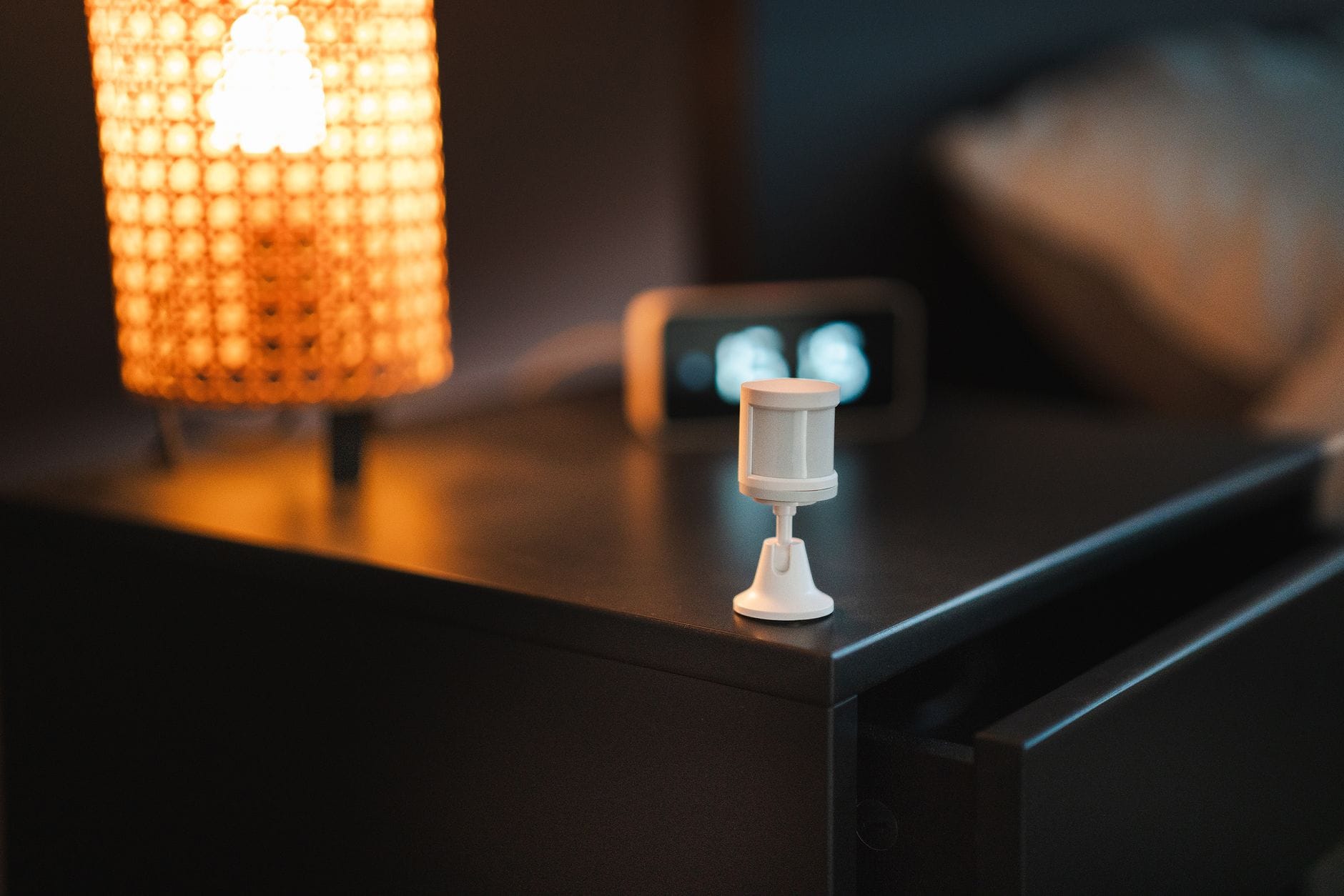
- Non‑wearables and wireless systems are discreet sensors in the home that monitor activity or safety without needing to be worn.
Both types increasingly use AI to interpret patterns and raise useful alerts rather than just collect numbers.
What they can help with today
According to the review, four areas already show practical value:
- Continuous health monitoring, spotting changes in activity or vital signs that might merit attention.
- Fall detection and related safety alerts.
- Medication adherence, with prompts and tracking to support regular dosing.
- Cognitive assistance, such as reminders for daily tasks.
Across studies, reported benefits include earlier detection of health issues, improved medication adherence, fewer hospitalizations, extended independent living and better quality of life. Because this is a review of many studies rather than a single trial, it does not specify effect sizes, brands or regulatory status, and results are likely to vary by device and setting.
What to consider before trying
Focus on fit and fundamentals more than features.
- Purpose first: choose a tool that addresses one clear goal, for example fall detection or medication support.
- Ease of use: check comfort, clarity of prompts, font size, setup steps and how often it needs charging.
- Privacy controls: who can see your data, whether you can turn sharing on and off, and whether information is stored securely.
- Caregiver and clinician integration: can a trusted person receive alerts, and is there a simple way to share summaries with your clinician if you want to.
- Alerts that help, not hassle: find out how sensitive fall detection is, how false alarms are handled and how you can adjust notifications.
- Home fit: if using ambient sensors, understand where they go and what they monitor.
- Support: is there reliable help for setup and troubleshooting, either from a family member, caregiver or service.
Getting started, step by step
- Pick one priority problem to solve, not three at once.
- Choose a form factor: a wearable you will actually wear every day, or home sensors if you prefer not to wear a device.
- Plan how data will be used: agree with a clinician or caregiver what to monitor, which alerts should trigger and what action follows.
- Start simple: use default settings first, then tune alerts and sharing once you see how it behaves.
- Review after a few weeks: keep what helps, switch off what annoys, or stop if it adds no value.
Sensible cautions
- These tools complement, they do not replace, medical care or human support.
- Privacy and data governance vary by provider and location. Read settings carefully and choose what you are comfortable sharing.
- Some systems may over‑alert or feel intrusive. Adjust sensitivity, or choose a different approach if fatigue sets in.
- Costs and coverage vary by place and service. The review does not provide device‑specific pricing or reimbursement details.
A practical path forward
The strongest gains come when AI quietly supports what already keeps you well, such as steady routines, safe movement and timely care. If you are curious, start with one clear need and a tool that is easy to live with. Simple, privacy‑aware design plus a plan with your support network turns promising technology into practical independence.
Find out more
- A scoping review of integrated smart home technology supporting older adults and people with disabilities | Discover Internet of Things | Springer Nature Link — A recent peer‑reviewed scoping review of integrated smart‑home and wearable systems for older adults that summarises the types of sensors, AI approaches, target uses (ADLs, safety, cognitive support) and reported benefits and limitations — useful if you want a research‑level overview of evidence and study designs.
- Guidances with Digital Health Content — The U.S. Food and Drug Administration’s official list of guidances with digital‑health content — a primary source for current FDA positions on clinical decision support, general wellness products, cybersecurity and other regulatory topics that affect AI wearables and home systems.
- NHS England » Medical devices and digital tools — NHS England guidance on medical devices and digital tools covering clinical safety, data protection by design, technical assurance and interoperability — practical regulatory and safety considerations relevant to using wearables and in‑home monitoring in the UK (and as a useful model more widely).
- 5 Best Medical Alert Systems of 2026 — AARP’s consumer testing and comparison of top medical‑alert systems (including fall detection) with notes on performance, response times and usability — a practical, senior‑focused resource for choosing and evaluating systems to support ageing in place.
Image: Photo: Jakub Zerdzicki / Pexels