Smart-home features such as fall detection and automated lighting can make home life safer, but research shows uptake falters unless systems protect dignity, respect privacy and are genuinely simple and cost effective to use.
Why this matters now
Homes are getting smarter, with sensors and software that promise safer, more independent living. That promise is real, but credible research finds the biggest obstacles are not chips or apps. They are dignity, privacy, usability and whether the benefits outweigh the ongoing costs.
Choose well and you get timely help after a fall and fewer night-time stumbles. Choose poorly and you add hassle, noise and a feeling of being watched in your own home.
What smart homes can do today
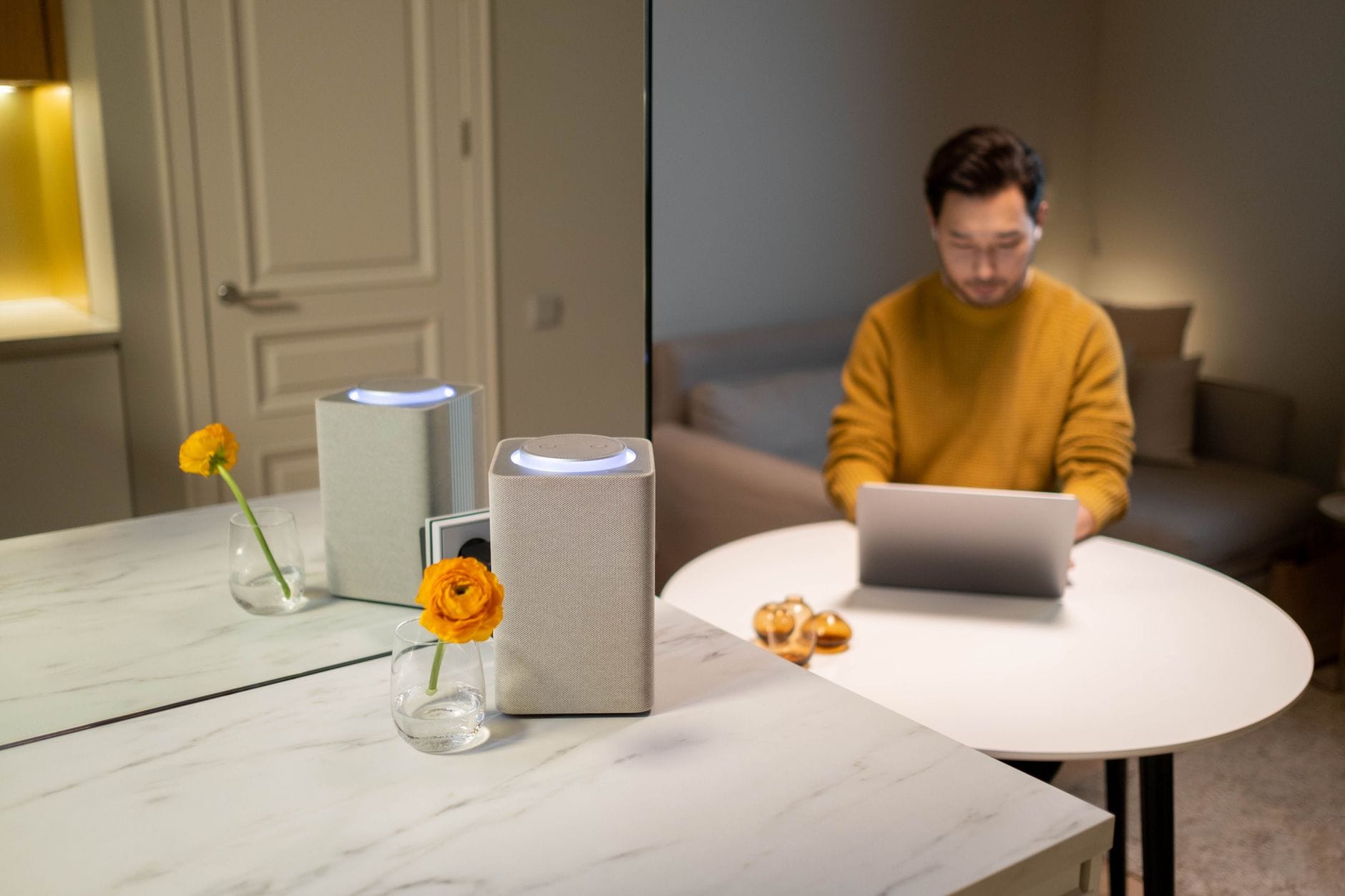
Common features include fall detection, automated lighting that guides safe movement at night, smart locks that let in trusted people securely and real-time health monitoring. Some systems use machine learning to notice daily routines, and virtual assistants can sit within the setup to make controls easier.
This sits within what researchers call Ambient Assisted Living, where technology in the home supports daily life. The benefits are safety, convenience and the chance to stay at home for longer.
The dignity and privacy line
Monitoring that feels helpful to one person can feel intrusive to another. Scholars warn that intelligent monitoring in the home can compromise dignity and personal autonomy if it removes choice or creates a sense of constant surveillance.
Privacy risks come from how activity and health data are collected, stored and used. If you do not know who sees your information, for what purpose and for how long, then control over your life can quietly shift away from you.
The practical test is simple: you should be able to give clear consent, see what is being recorded, change settings easily and opt out without penalty.
Usability is make or break
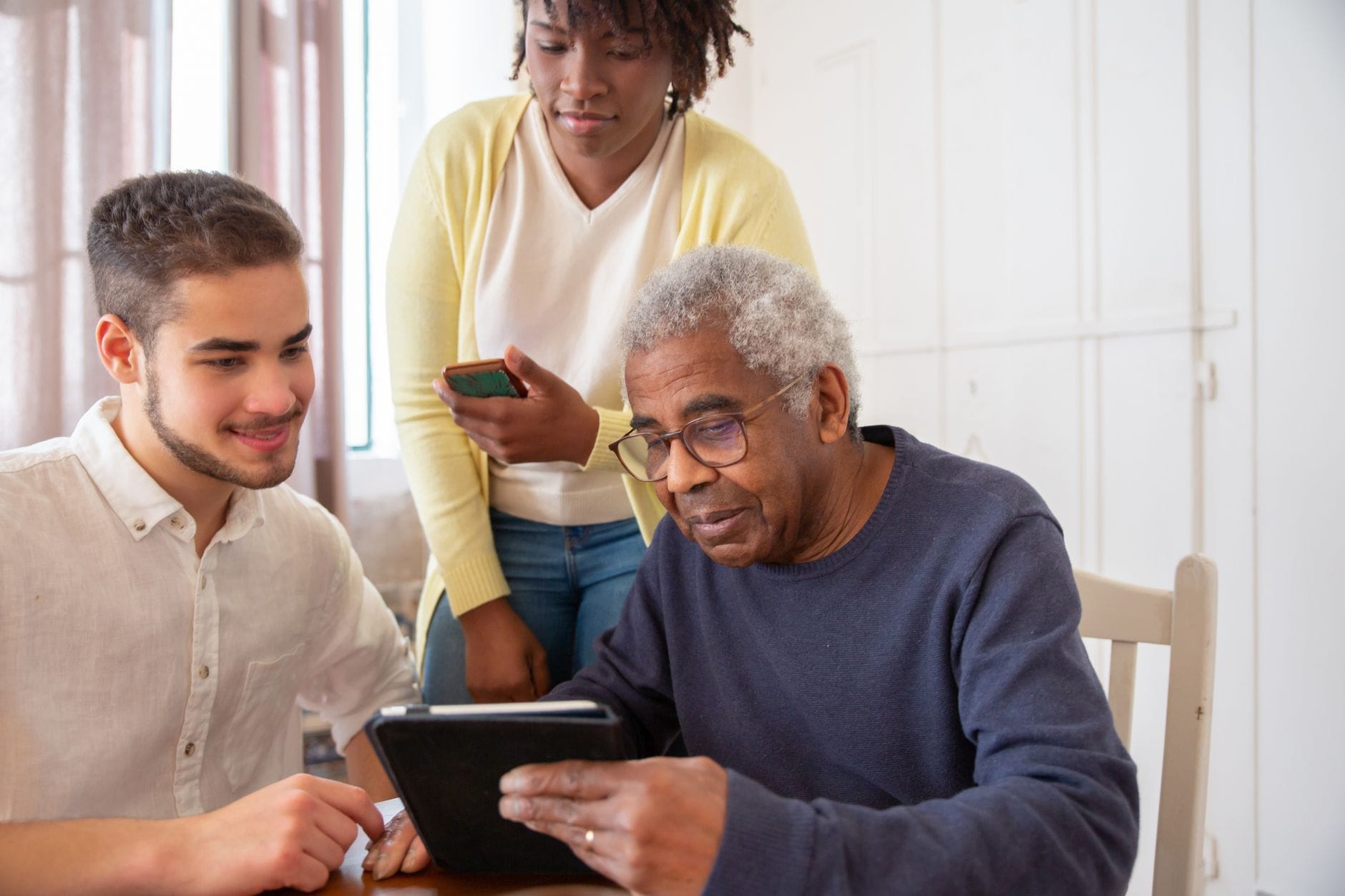
Systematic reviews report that usability and social acceptance are persistent barriers. Interfaces that confuse, alerts that overwhelm and integrations that are hard to manage will not be used for long, no matter how clever the technology is.
Before you commit, make sure the day-to-day experience fits your habits. The smartest system is the one you actually enjoy using.
Cost and value, not just price
Researchers also question cost effectiveness. Total cost includes equipment, installation, subscriptions and the time you or a caregiver spend managing the system.
The right question is whether the safety and independence you gain justify the financial and attention costs over time.
How to choose wisely
- Start with one clear problem to solve, for example safer night-time lighting or faster help after a fall. Add features only if they earn their place.
- Demand control and consent. Check you can pause monitoring, adjust sensitivity, set who sees data and delete information.
- Ask providers to explain how your data are collected, stored, shared and deleted. Look for plain language, not vague reassurances.
- Test usability. Try the app, review how alerts appear, and confirm a caregiver can be included without becoming a gatekeeper of your home.
- Check social fit. Make sure notifications and devices are not intrusive during daily life or when guests visit.
- Weigh total cost and ongoing value. Consider equipment, subscriptions and maintenance, then decide if the benefits are worth it for you.
The balanced path
Smart-home technology can support safer, more independent living, but only when it is designed and chosen with human values up front. Prioritise features that solve real problems, insist on privacy and control, and choose tools you find easy and satisfying to use.
Find out more
- Guidance for consumer Internet of Things products and services | ICO — Official UK Information Commissioner’s Office guidance on consumer IoT and smart‑home products — explains how data protection (UK GDPR/PECR) applies, how to get valid consent, what transparency and privacy‑by‑design should look like, and the rights users should be offered when devices record activity in the home.
- The Role of Smart Homes in Providing Care for Older Adults: A Systematic Literature Review from 2010 to 2023 — A systematic literature review (2010–2023) of smart‑home technologies for older adults — summarises the evidence on benefits (safety, independence) and common barriers such as usability, social acceptance and perceived intrusion, useful if you want the research background behind the article’s recommendations.
- 5 Best Medical Alert Systems of 2026 — AARP’s practical consumer guide to medical‑alert (PERS) systems — independent testing and plain‑language comparisons of fall detection, response times, GPS and other features to help you weigh ongoing value, costs and usability when choosing an emergency response solution.
Image: Photo: Kampus Production / Pexels