New evidence suggests voice controlled speakers can support routines, prompts and connection at home. Many owners miss out due to privacy worries and low digital confidence, but simple setup and training unlock more value.
Why this matters now
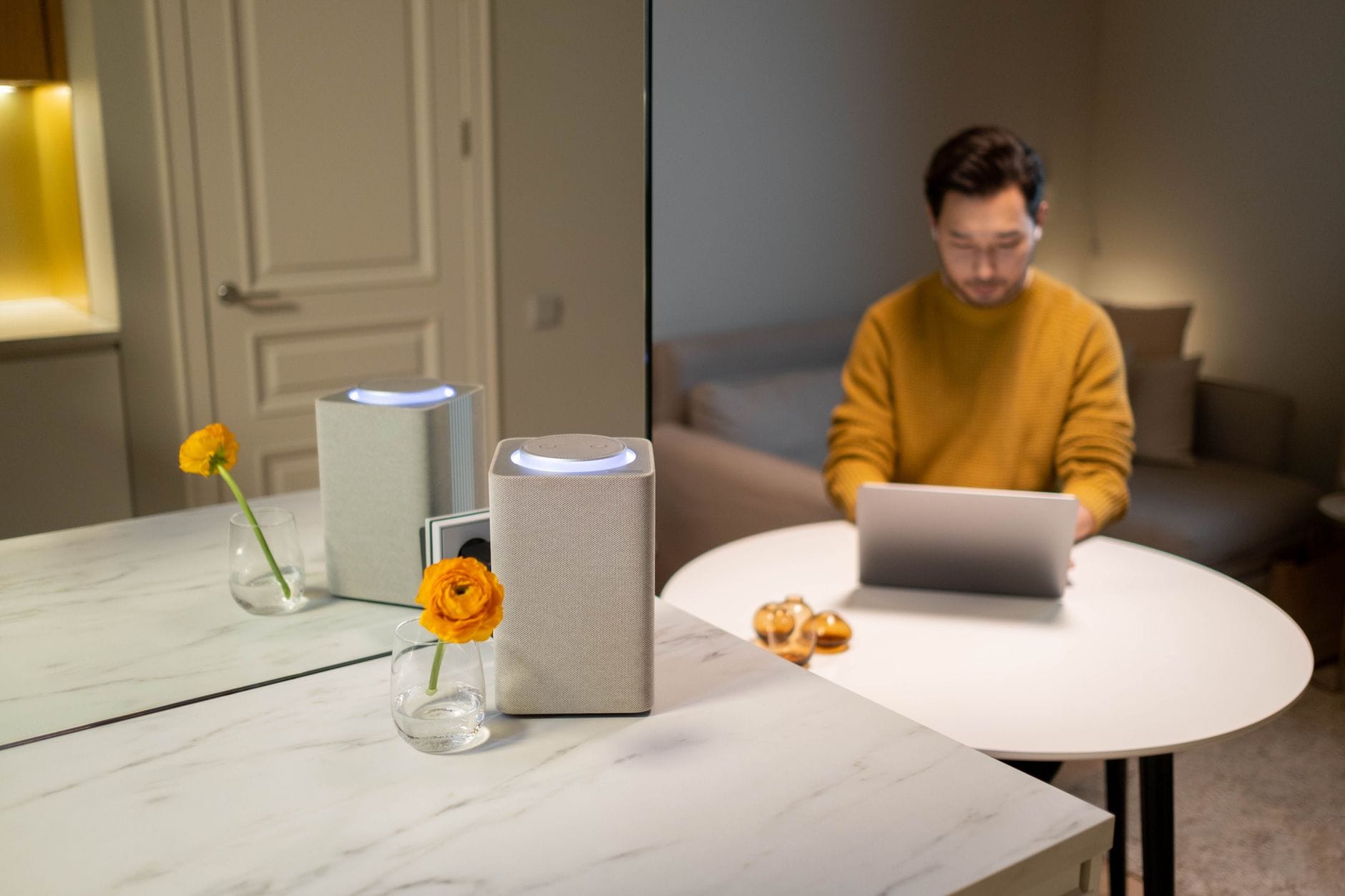
A growing body of evidence finds that smart speakers can meaningfully support daily living at home. Voice control removes the need for small screens or buttons, which is particularly helpful if mobility is limited. For many readers, a device already on the kitchen counter could be a low effort way to strengthen healthy routines and stay connected.
What smart speakers do well
Used thoughtfully, smart speakers can act as a practical hub for everyday tasks and habits that support independence. Common uses include medication reminders, checking the weather before a walk, playing familiar music and calling family members. Researchers have also integrated speakers into health and wellness initiatives, from prompts that nudge physical activity to simple self management support.
People often build these devices into their daily rhythm over time. Some users even form an emotional attachment, which can increase regular use and a sense that the device is part of a supportive routine.
What gets in the way
Many owners underuse their speakers. The main barriers are limited awareness of what the devices can do, privacy and security concerns, technical hiccups, cost and accessibility issues. Importantly, owning a device does not guarantee digital confidence. Some users, including those from lower socioeconomic backgrounds, have the hardware but struggle to use it effectively.
Study samples tended to be mostly female. Men were reported as less engaged, although the reasons were not clearly explained in the evidence reviewed.
Get more value from the device you have
A few targeted steps can make a smart speaker more useful for daily health without turning your home into a gadget showroom.
- Start small: set one or two medication or appointment reminders, and a daily prompt to move or stretch.
- Make connection easy: create simple voice shortcuts to call a family member or caregiver.
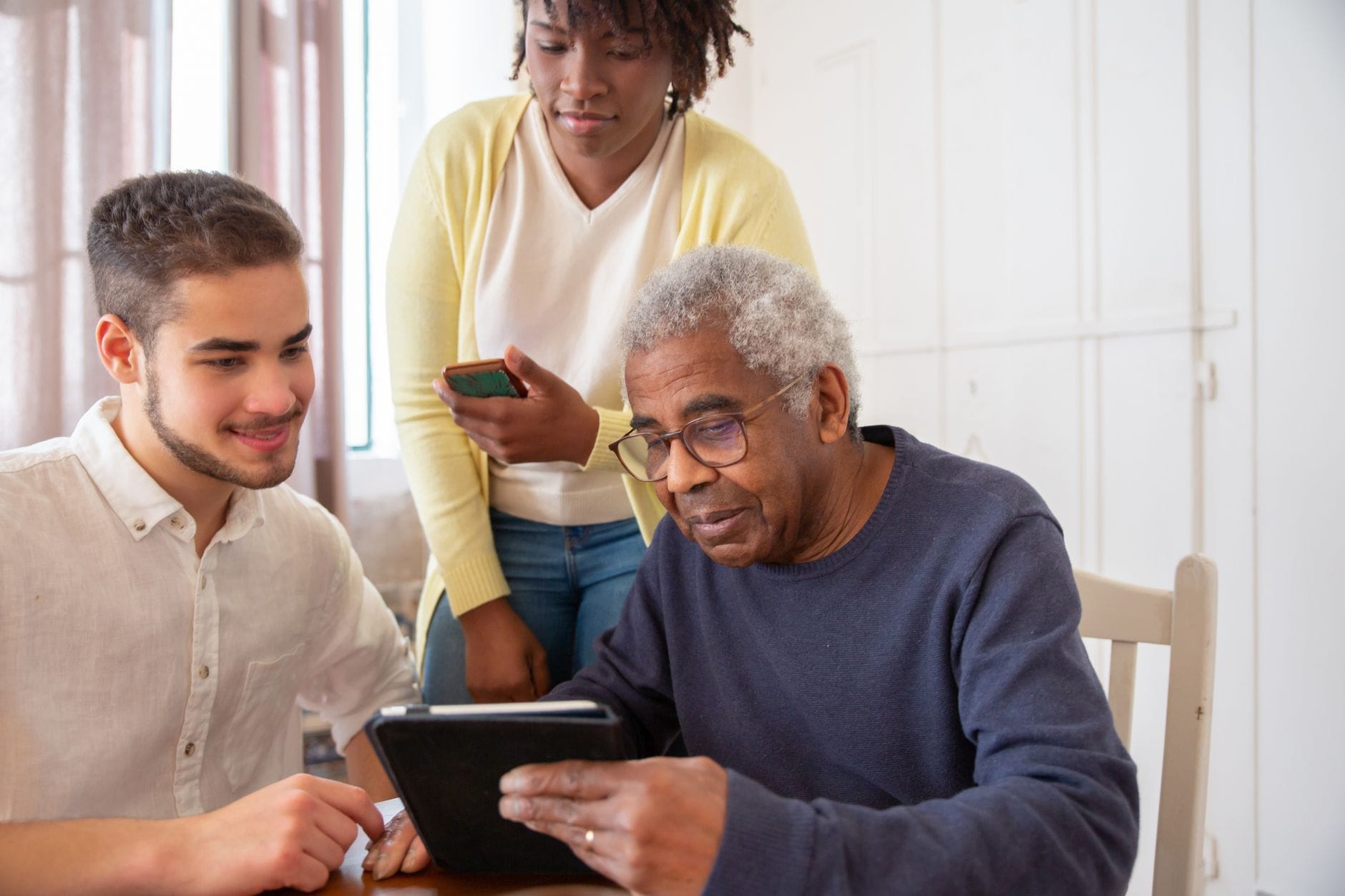
- Ask for help with setup: a brief, hands on introduction from a family member, caregiver or friend can unlock features you might not discover on your own.
- Decide your privacy comfort level: review the device’s privacy options and use the ones that match your preferences. Clear consent and settings that you understand matter as much as the features themselves.
- If mobility is a challenge, lean on voice: hands free control can reduce the need to reach for phones or screens.
Sensible expectations
The evidence supports smart speakers as helpers for routines, prompts and connection. It does not promise clinical health improvements. We still need to learn how large and long lasting the benefits are, which specific features work best, and how to address privacy worries without losing practicality. Accessibility for users with hearing, speech or cognitive impairments also needs careful attention.
Used with intention, a smart speaker can be a modest but steady ally in everyday health. The trick is to set it up for the jobs that matter to you, and to use it with privacy choices you understand and trust.
Find out more
- Set Reminders with Alexa - Amazon Customer Service — Official Amazon support page showing how to set reminders and routines with Alexa — practical, step‑by‑step guidance for medication or appointment reminders and other everyday prompts.
- Google Assistant - Learn What Your Google Assistant is Capable Of — Google Assistant’s official overview of what the assistant can do — simple voice commands for reminders, timers, calls and other handy features you can use with a Google smart speaker.
- How To Secure Your Voice Assistant and Protect Your Privacy | Consumer Advice — Consumer-focused guidance from the U.S. Federal Trade Commission on securing voice assistants and protecting your privacy — clear steps to limit recordings and manage device settings.
- Smart Speakers for Health and Well-Being of Older Adults - PMC — A mixed‑methods systematic review (open access) of smart‑speaker interventions for older adults’ health and well‑being — useful if you want the research evidence behind the article’s claims.
- Assessing the Feasibility and Acceptability of Smart Speakers in Behavioral Intervention Research With Older Adults: Mixed Methods Study — A JMIR study assessing the feasibility and acceptability of using smart speakers in behavioural‑intervention research with older adults — practical findings about what works and what barriers researchers encountered.
Image: Photo: cottonbro studio / Pexels