A major review finds wearables already help with monitoring and safety, while AI, robots and VR still need simpler design, better evidence and clear funding. Here is how to choose and use tools wisely.
Why this matters now
Digital health tools promise earlier detection, safer living at home and more confident self care. A comprehensive review of recent research finds real potential, yet a gap remains between promise and everyday results. Wearables are delivering practical benefits today. Artificial intelligence, socially assistive robots and virtual reality look encouraging in pilots, but they need stronger real world proof, simpler design and clear support models before they matter at scale. The risk is that useful tools exist but are not usable, trusted or paid for when you need them.
What works today: wearables for monitoring and safety
Wearables are the most mature option for everyday use. The value is clearest when you match a device to a specific need, for example fall alerts, activity and sleep tracking or heart rhythm monitoring. Adoption improves when devices are comfortable, simple to operate and reliable. Accuracy can dip in frailer users, and battery life, charging, data overload and privacy are common sticking points.
Practical checks before choosing a wearable:
- Decide the job first, then pick the device. One clear goal beats a bundle of features you will not use.
- Try it on. Comfort, clarity of the display and an easy clasp matter more than extra sensors.
- Ask your clinician whether they can use the data in routine care, and in what format.
- Review privacy details, what is collected, who sees it, where it is stored and how to delete it.
- Check total cost, device price plus any subscription for alerts or cloud services.
Tools to watch: AI, robots and VR
Artificial intelligence: Models can help flag risk earlier, such as potential cognitive or functional decline, and can personalise monitoring. However, many systems are built on datasets that do not represent older adults well, and most have limited testing in real world settings. Treat chatbots and virtual assistants as supportive tools for organisation and explanations, not as medical advice. Avoid sharing sensitive personal data.
Socially assistive robots: Early studies suggest benefits for companionship and engagement, with potential cognitive support. Acceptance depends on design quality and cultural fit. Ethical questions include privacy, transparency and the risk of reducing human contact. Evidence from long term, everyday use is still sparse.
Virtual reality and exergames: These can make exercise and therapy more engaging and may help balance, gait and cognition in some users. Start in supervised or community settings, choose simple, goal matched programs and stop if you feel dizziness or fatigue. Practical barriers include cybersickness, cognitive load and set up complexity, especially in long term care.
Before you buy or sign up: questions that protect you
Use these questions with any vendor, clinic or community provider:
- What specific outcome does this tool target for me, and how will we measure it?
- What evidence shows it works for people like me, including age and health conditions?
- How accurate is it, and what are the known limits or error rates?
- What data do you collect, who can see it, where is it stored and for how long?
- Can I opt out, download my data or delete it later, and how?
- What training and technical support are included, for me and for any caregiver?
- What are the full costs, including subscriptions, accessories and mobile data or broadband?
- What happens if the device breaks, return and replacement policies, service turnaround?
- Does it work without perfect connectivity, and what is the battery life in real use?
Getting started without the headaches
- Involve a family member or caregiver at the outset for setup, troubleshooting and motivation.
- Start with one goal and one tool. Build confidence before adding features or extra devices.
- Use trial periods or community programs to test comfort, clarity and daily fit.
- Keep alerts realistic. Too many notifications lead to switching them off.
- Ask local clinics, libraries or community centres about digital skills sessions.
- For VR, keep sessions short at first and pause if any discomfort appears.
What must improve for these tools to deliver
The review highlights six priorities to unlock real value: design with older users from the start, validate at scale in real world settings, invest in digital inclusion and connectivity, put ethical and privacy safeguards in place, establish clear routes for reimbursement or funding, and integrate digital tools into care models so human support and technology work together. Europe faces particular urgency due to rapid ageing and uneven digital readiness, a reminder that policy and infrastructure shape who benefits.
Adopt what is ready now if it serves a clear purpose, and keep a curious but cautious eye on what is coming. With better design, proof and support, the next wave could be both smart and genuinely helpful.
Find out more
- Are wearable devices effective for preventing and detecting falls: an umbrella review (a review of systematic reviews) — An umbrella review (review of systematic reviews) examining whether wearable devices can prevent or detect falls in older adults, summarising device types, reported accuracy, real‑world testing and acceptability.
- Ethics and governance of artificial intelligence for health — World Health Organization guidance on the ethics and governance of artificial intelligence for health, with consensus principles and recommendations to help assess safety, bias, transparency and oversight of AI tools.
- ICO urges all app developers to prioritise privacy | ICO — A UK regulator update urging app developers to prioritise user privacy — a practical source to consult when checking what a health app or wearable maker says about data handling and protections.
- Older Adult Activity: An Overview | Physical Activity Basics — CDC guidance on physical activity for older adults, including recommended balance, strength and aerobic activities — useful background when choosing activity trackers, exergames or exercise programmes.
- New Cochrane review assesses the benefits and harms of exercise for preventing falls in older people living in the community | Cochrane — A Cochrane review summarising the evidence that exercise programmes can prevent falls in community‑dwelling older people — helpful when evaluating claims from exergames or combined tech‑plus‑exercise interventions.
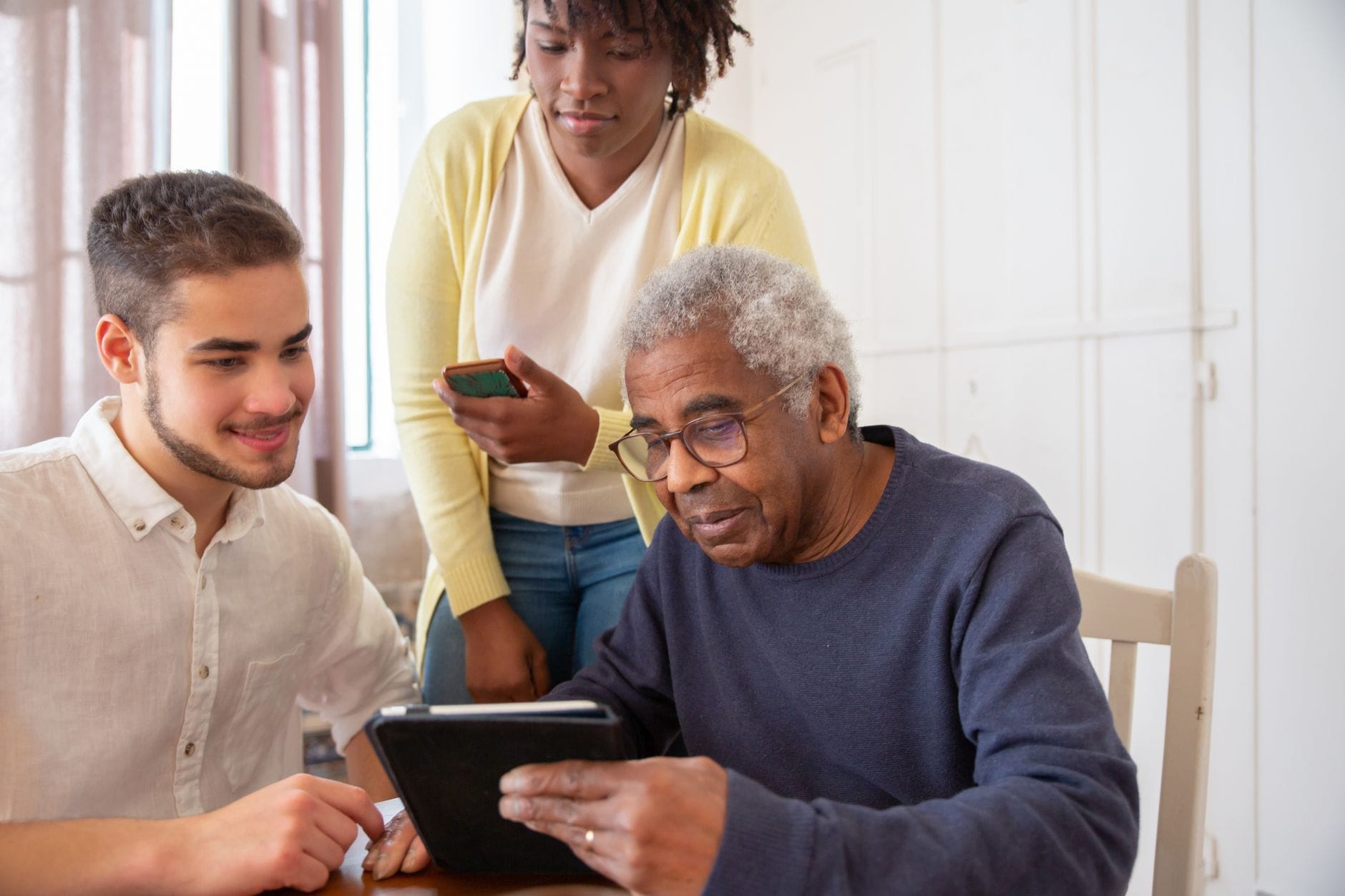
Image: Photo: SHVETS production / Pexels