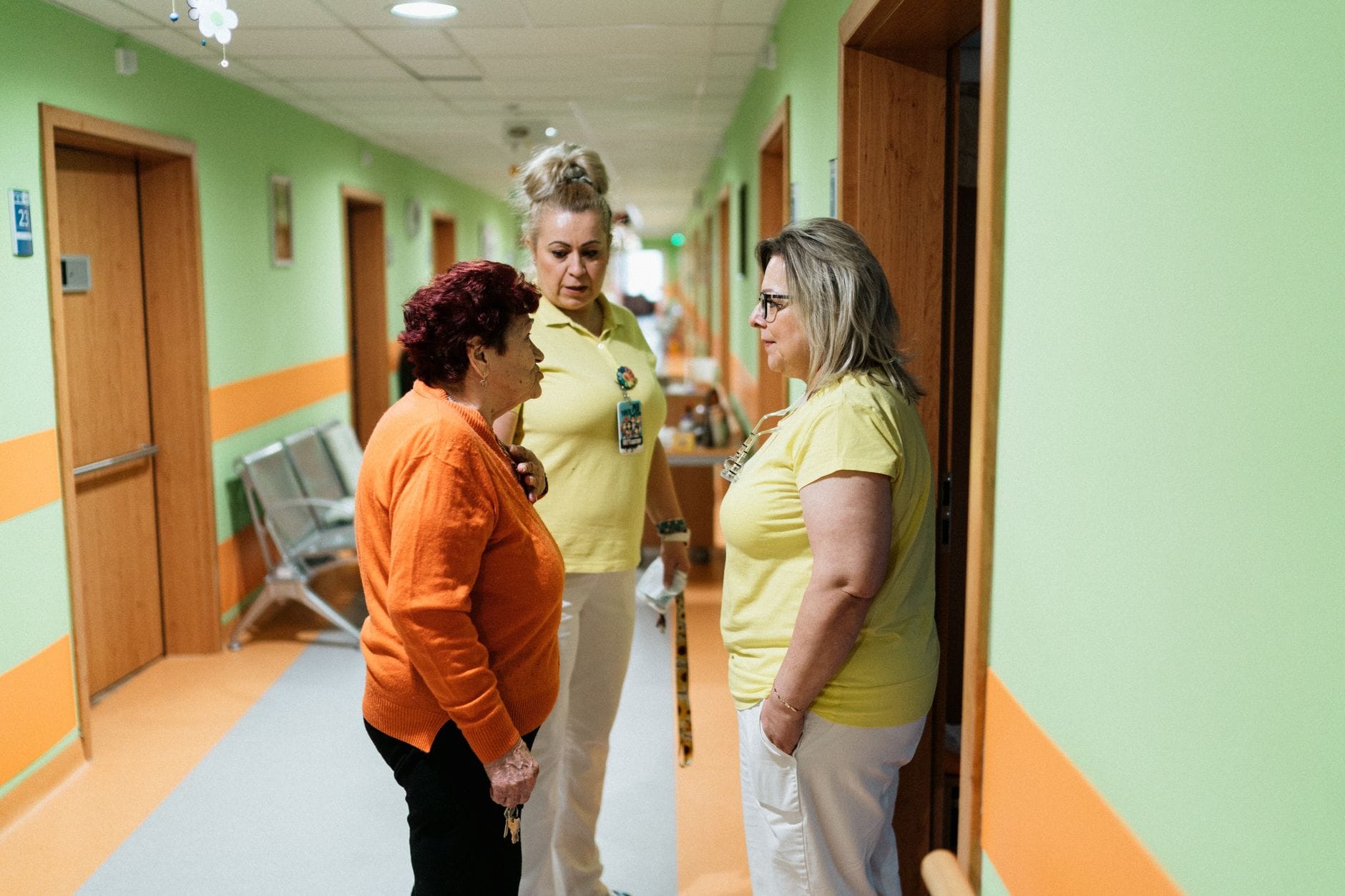
A 2026 modelling study projects higher frailty in England by 2040. Projections are not certainties, but they underline the value of prevention, early action and planning to protect independence and ease pressure on services.
Why this matters now
A 2026 modelling study projects that frailty will become substantially more common in England by 2040. Frailty is a clinical syndrome of reduced resilience, often involving weakness, slower walking, unintentional weight loss and exhaustion. It raises the risks of falls, hospital stays and loss of independence. For readers, the signal is clear: invest in prevention now and plan for services that may face heavier demand.
What the study can and cannot tell us
These are projections based on assumptions, not observed outcomes. The timing and size of any increase are sensitive to the model’s inputs and scenarios. Precise figures are not included in this briefing. Treat the study as an early warning and a prompt to act, not a prediction carved in stone.
What you can do this year
- Build strength and balance: include progressive resistance exercises or a supervised strength-and-balance or tai chi class. Evidence suggests this can reduce frailty risk or slow progression.
- Prioritise protein at meals: focus on sources you enjoy and can afford. Adequate protein supports muscle maintenance.
- Check vitamin D status if appropriate: address deficiency when present, following clinical advice.
- Review medicines: ask your GP or pharmacist to review your prescriptions, especially if you take many. Reducing unnecessary drugs can improve energy, balance and appetite.
- Protect vision and hearing: update glasses or hearing aids if needed, since sensory problems can undermine balance and confidence.
- Reduce fall risks at home: remove loose rugs and clutter, improve lighting on stairs and corridors, consider grab rails in bathrooms.
- Keep vaccinations up to date: this may reduce complications linked to frailty.
Find support locally
NHS and local authority services in England increasingly run community strength-and-balance classes and have frailty pathways in primary care. Ask your GP surgery or local council what is available in your area, including falls prevention programmes and nutrition support. When you book an appointment, mention any recent falls, unintentional weight loss, slowing of your usual walking pace or persistent exhaustion. These details help clinicians assess frailty and connect you with the right support.
The projected rise in frailty is not a reason for alarm. It is a reason to act. Small, consistent steps on strength, balance, nutrition and safety, started today, can pay off over the next decade.
Find out more
- NHS England » Frailty resources — NHS England’s dedicated frailty resources — practical guidance for clinicians and services on identifying and managing frailty, plus case studies and links to local improvement work.
- What is frailty? | Age UK — Age UK’s clear, patient-friendly explanation of what frailty means, how it affects resilience and recovery, and where to get help.
- Balance exercises - NHS — NHS.uk step‑by‑step balance exercises you can do at home, with safety tips and simple progressions to help build strength and reduce fall risk.
- Nutrition for older people - British Nutrition Foundation — British Nutrition Foundation guidance for older adults — practical advice on diet, protein needs and vitamin D (including the UK recommendation for at‑risk groups).
- [PDF] Polypharmacy Review and Treatment Optimisation: Resource Pack — A polypharmacy review resource pack explaining how medicines reviews work, what to expect and how to arrange a structured medication review with your GP, pharmacist or practice team.
Image: Photo: Mikhail Nilov / Pexels