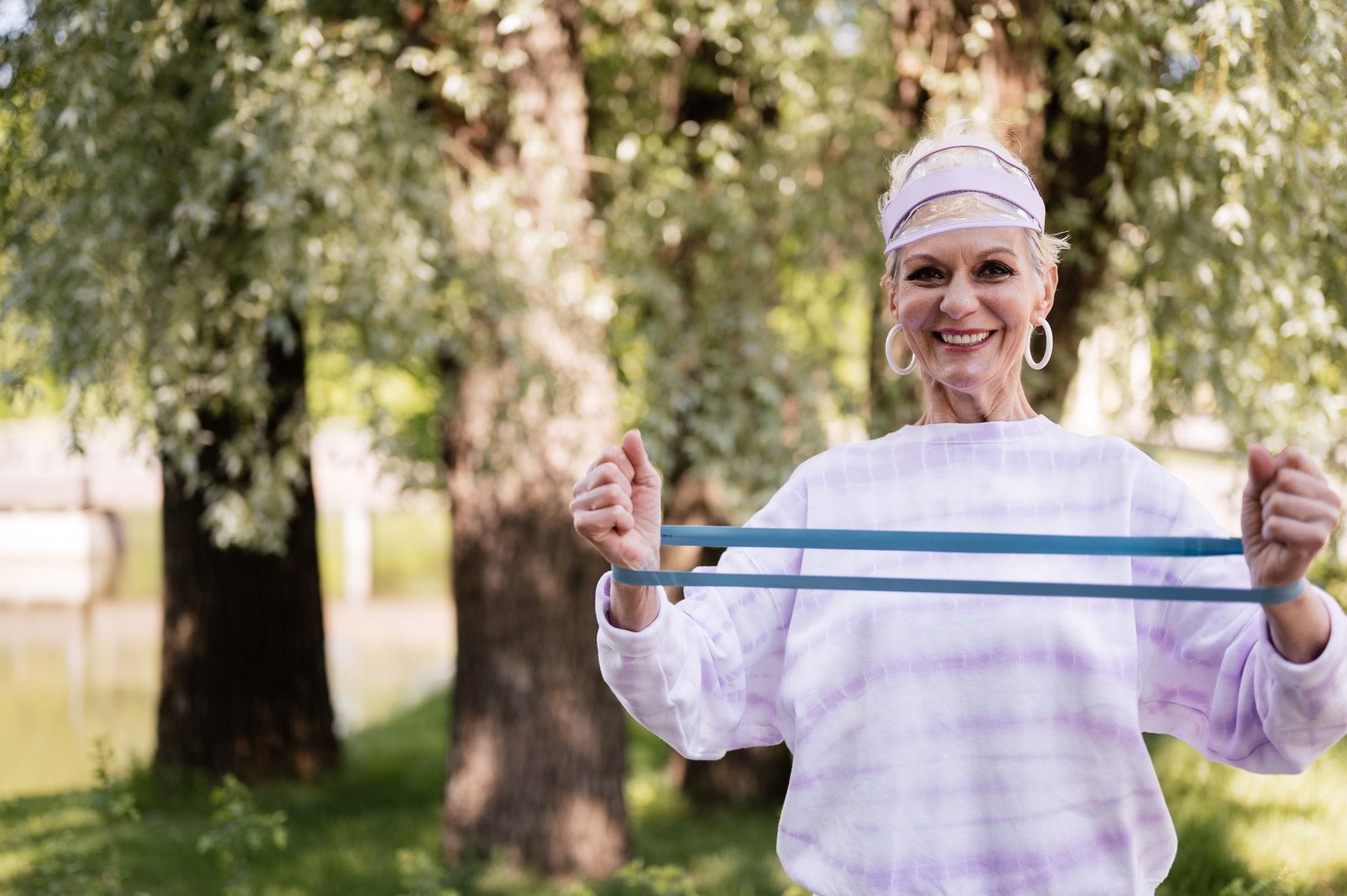
A large US study of 11,000 adults aged 65 and over tracked for up to 12 years found meaningful gains in cognition and walking speed, particularly among those with more positive views of ageing.
Improvement in later life is more common than many of us are told. In a major US study following people aged 65 and over for up to 12 years, 45 percent improved in at least one key area of function. Better still, these gains were more likely among those who began the study with more positive beliefs about ageing.
What the study found
Researchers analysed data from more than 11,000 participants in the Health and Retirement Study, tracking two outcomes that matter for independence: overall cognitive performance and walking speed. Over the follow up period, 32 percent improved cognitively and 28 percent improved physically, with many of these gains large enough to be considered clinically meaningful. When you average everyone together, decline looks like the dominant story. When you look person by person, a very different picture emerges, with a mix of decline, stability and real improvement.
Why this matters now
Walking speed is used in geriatric practice as a functional vital sign because it predicts future disability and even mortality. Small changes can be important. The new analysis strengthens a practical point for readers and clinicians alike. Do not assume decline is inevitable. Screening for reversible problems and pursuing rehabilitation, strength training and aerobic activity can be undertaken with the aim of getting better, not just slowing loss.
The role of age beliefs
Participants who held more positive beliefs about ageing at the start of the study were significantly more likely to improve over time, even after accounting for age, sex, education, chronic disease, depression and how long they were followed. This is not proof that changing beliefs causes improvement, but it does identify a potentially modifiable factor that travels with better outcomes. It suggests that what we expect from ageing can shape what we attempt and persist with, which in turn may affect what we achieve.
How to use this insight
- Keep or start evidence based routines. Strength work, regular walking or other aerobic activity, mentally engaging tasks, social connection, good sleep and sound nutrition all support the functions this study tracked.
- Pay attention to walking speed. Ask your clinician to check it periodically, just as they would blood pressure. Treat progress as a sign that your routine is working.
- Reframe ageing constructively. Notice and celebrate gains, seek out positive role models of later life, choose media that portrays ageing realistically rather than as inevitable decline, and challenge unhelpful self talk.
- Ask for help when function dips. If thinking or walking worsen, request a thorough review to look for reversible contributors and consider rehabilitation. Improvement is a reasonable goal.
Sensible cautions
This was an observational analysis. It shows associations, not cause and effect. Cognitive testing was conducted by telephone, which is practical for a large study but less detailed than a full clinical assessment. The sample represents the United States, so proportions could differ elsewhere. None of these caveats erase the central message. Meaningful improvement occurs for many people and a more positive outlook on ageing is linked with higher odds of those gains.
The bottom line
Average graphs can hide your potential. Aim for progress, track it, and give your beliefs about ageing the same care you give your training plan. The combination is realistic, hopeful and worth pursuing.
Find out more
- Aging Redefined: Cognitive and Physical Improvement with Positive Age Beliefs — The journal article reporting the Health and Retirement Study analysis — full methods, the 45.15% figure and the separate cognition/walking‑speed results, plus the statistical approach that links positive age beliefs to improvement.
- New study challenges notion that aging means decline, finds many older adults improve over time | Yale School of Public Health — Yale School of Public Health press release summarising the study in plain language, with comments from the lead author on implications and avenues for interventions.
- Three Types of Exercise Can Improve Your Health and Physical Ability | National Institute on Aging — National Institute on Aging guidance on the three types of exercise (aerobic, strength and balance) with practical recommendations for older adults to support cognition and walking speed.
- Walking Speed: The Functional Vital Sign — A clinical review explaining why gait (walking) speed is a ‘functional vital sign’, how to measure it (4‑metre/other tests) and how to interpret results in routine care.
- How positive age beliefs can support positive health outcomes with Becca Levy, PhD | American Medical Association — An American Medical Association Q&A/interview with Dr. Becca Levy outlining the evidence on positive age beliefs, including experimental work and implications for changing attitudes.
Image: Photo: SHVETS production / Pexels