New UK GP training guidance echoes a simple message for later life: prioritise resistance and balance work, eat enough protein, and consider winter vitamin D. A reported NICE change may alter obesity assessment.
What might change at your GP appointment
A UK GP training resource reports that NICE’s overweight and obesity guideline (NG246) was updated on 8 January 2026 and now uses waist‑to‑height ratio only to classify central adiposity in children aged 5+. This specific change has not been directly verified by us with NICE. If confirmed, adults could see different measures emphasised during primary care assessments. We will update readers once NICE clarifies the final text and any adult‑specific recommendations.
Why this matters for healthy ageing
From our 60s onward, gradual muscle loss (sarcopenia) erodes strength, mobility and independence, and it accelerates after 70. The most reliable countermeasures are resistance training, balance work and adequate protein. This aligns with UK physical activity guidance, which also underscores the broader health gains of staying active.
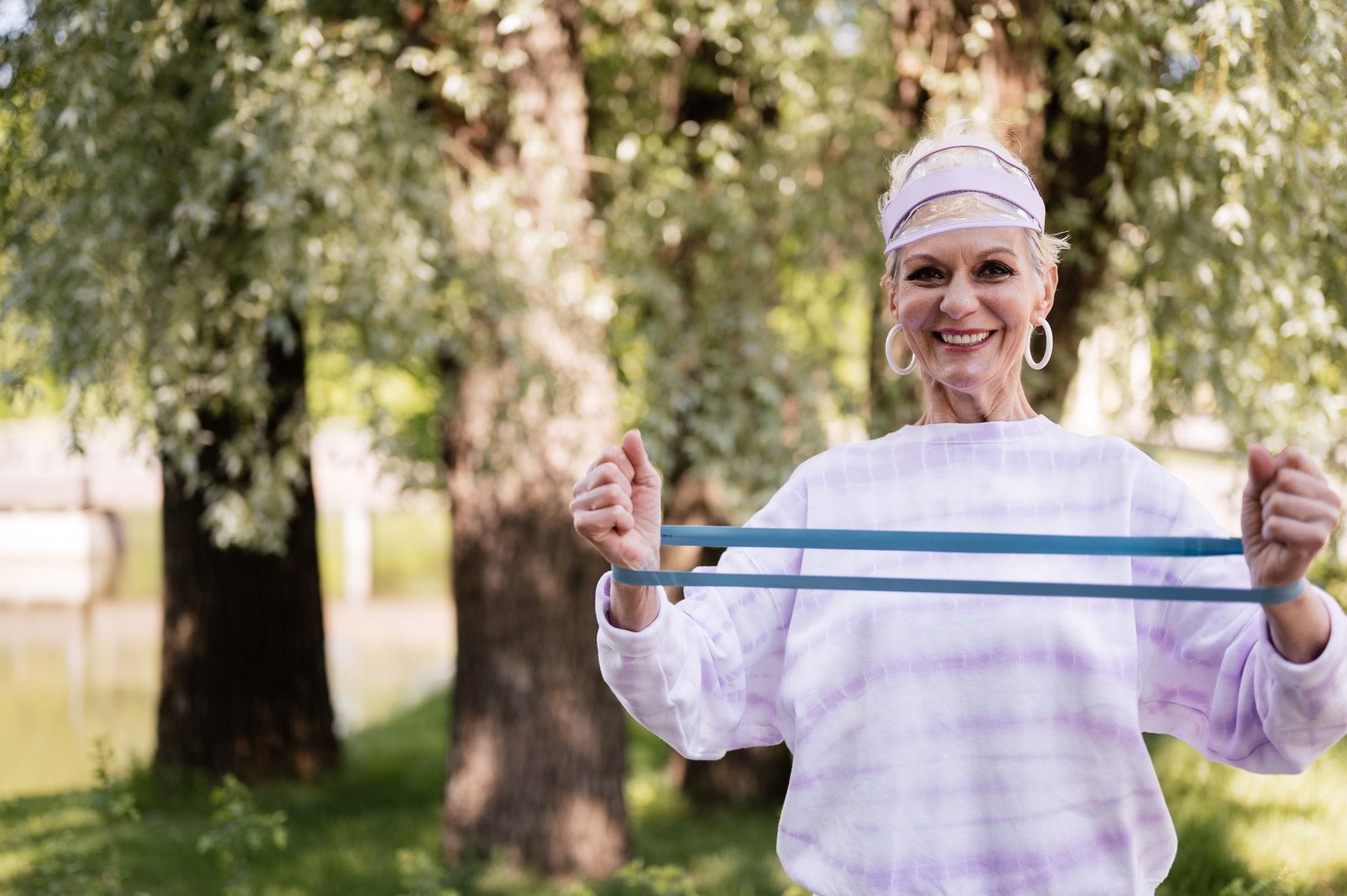
Strength first: train it, keep it
- Do resistance training 2 to 3 times per week.
- Add balance and flexibility work alongside the UK guidance of 150 minutes of moderate, or 75 minutes of vigorous, aerobic activity weekly, plus strength work at least twice.
- If you are aiming to lose weight, keep resistance training in place to help preserve muscle while reducing fat.
Protein: likely more than you think
- For most older adults, around 1.0 to 1.2 g of protein per kilogram of body weight per day is advised by the resource to help maintain muscle.
- During weight loss, it recommends roughly 1.2 to 1.6 g/kg/day to protect lean mass.
- A practical step: aim for a source of protein at each meal.
- If you have diabetes, chronic kidney disease or take multiple medicines, discuss targets and any major diet changes with your GP first.
Vitamin D: mind the winter gap
The resource advises UK adults to consider 10 micrograms (400 IU) of vitamin D daily, especially from October to March, when sunlight is insufficient for reliable skin production. If you have existing conditions or take specific medicines, confirm dosing with your clinician.
Ultra‑processed foods: cautious, pragmatic steps
The training site reports that 57% of UK daily energy intake comes from ultra‑processed foods and links high UPF intake with adverse health outcomes. While the strength of causal evidence is still debated, limiting UPFs may help appetite control and cardiometabolic risk. Practical, affordable shifts can help: - Cook one extra meal at home each week. - Swap one packaged snack for a simple whole‑food option. - Build meals around minimally processed staples when possible.
Weight loss: diet leads, training protects
For weight management, diet creates the calorie deficit; exercise delivers broad health benefits. Resistance training is crucial during weight loss to help preserve muscle mass. If you live with diabetes, kidney disease or are on multiple medications, involve your GP to adjust treatments safely during diet changes.
Injuries: a modern first‑aid mindset
The resource highlights a move from RICE towards PEACE & LOVE for soft‑tissue injuries, emphasising early education, progressive loading and vascularisation rather than prolonged rest. If in doubt, seek professional assessment before returning to activity.
What we do not yet know
- Whether NG246 explicitly limits waist‑to‑height ratio to children and what measures are recommended for adults in primary care.
- Which, if any, adult‑specific thresholds or referral criteria changed in the 2026 text.
- The most effective starter resistance and balance routines tailored to common conditions (for example osteoarthritis, cardiovascular disease, type 2 diabetes) and how to adapt them.
- Protein targets for older adults with advanced chronic kidney disease, balancing muscle preservation and renal protection.
- The strength of causal links between ultra‑processed food intake and health outcomes, and which swaps yield the biggest benefits for older adults on fixed incomes.
Bottom line for LaiTERLIFE readers
- Do not just walk; add resistance and balance training weekly to protect independence and reduce falls risk.
- Eat sufficient protein, ideally at each meal, and keep it higher during weight loss.
- Consider 10 micrograms (400 IU) vitamin D daily in UK winters.
- Treat UPFs with caution; make small, sustainable swaps.
- Check major diet or exercise changes with your GP if you have diabetes, kidney disease or multiple prescriptions.
- Watch for confirmation from NICE on any adult measurement changes that could affect your next health review.
Find out more
- Update information | Overweight and obesity management | Guidance — Official NICE update page for the NG246 overweight and obesity guideline (January 2026): shows the amended wording that clarifies waist‑to‑height ratios are for children and young people and is the place to check the committee's exact, authoritative text.
- UK Chief Medical Officers' physical activity guidelines — UK Chief Medical Officers' physical activity guidelines (updated July 2026): official guidance on strength, balance and flexibility for older adults, including the recommendation to do muscle‑strengthening and balance activities at least twice weekly.
- Vitamin D deficiency: migrant health guide - GOV.UK — GOV.UK advice on vitamin D (prevention section): authoritative UK advice recommending most adults consider a daily 10 microgram (400 IU) supplement in autumn/winter and identifies groups who may need year‑round supplementation.
- Protein Requirements and Recommendations for Older People: A Review — Peer‑reviewed review on protein requirements for older people (PMC/NCBI): summarizes evidence on protein intakes and functional outcomes in older adults and discusses recommended intake ranges (useful background if you're aiming for 1.0–1.6 g/kg/day).
Image: Photo: SHVETS production / Pexels