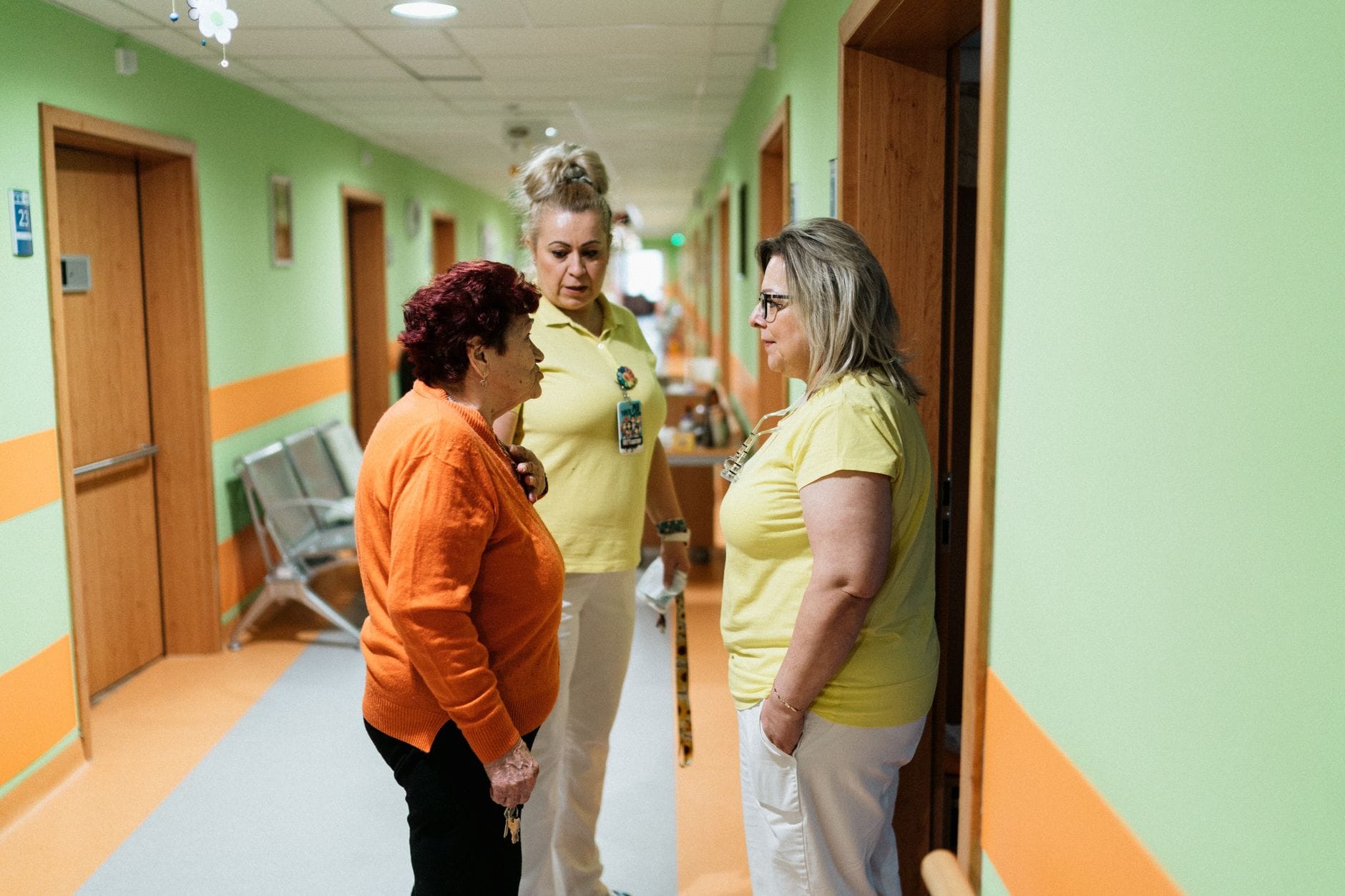
A US study of over 11,000 adults aged 65 plus found improvement in thinking and walking is common. Positive age beliefs were linked with higher odds of improving, though causation remains unproven.
Why this matters now
Ageing is often framed as steady decline. A large, peer reviewed US analysis followed more than 11,000 people aged 65 and over for up to 12 years and found a different picture: improvement is common. It also linked more positive age beliefs at the start with greater odds of gains in thinking and walking speed. For anyone intent on living well for longer, this suggests practical room for improvement and a potentially modifiable factor worth attention.
What the study found
Nearly half of participants improved in at least one area. In total, 45 percent saw gains in cognition, walking speed or both. About 32 percent improved in cognition and 28 percent improved in walking speed. Many of these gains were large enough to be considered clinically meaningful.
When people with stable thinking scores were included, more than half did not show cognitive deterioration over time. That counters the idea that decline is inevitable. Importantly, improvements were not limited to people recovering from earlier problems. Gains appeared even among those starting with normal function.
Those with more positive beliefs about ageing at the outset were significantly more likely to improve in both cognition and walking speed, even after accounting for age, sex, education, chronic disease, depression and follow‑up length.
These findings sit alongside wider research suggesting that what we believe about ageing can shape how we age. Walking speed is also treated by many clinicians as a useful vital sign because it relates to independence and health risks.
What you can do today
The study is observational, so it does not prove that shifting beliefs will cause improvement. Even so, it highlights areas you can act on now while staying evidence minded:
- Take stock of age beliefs. Notice ageist messages in media, workplaces and everyday conversation, including your own self talk. Favour accurate, capability focused language and examples.
- Choose environments that expect progress. Classes, clubs and rehabilitation settings that set clear, progressive goals can help reinforce constructive expectations about what is possible.
- Track your walking speed. Ask your GP or physiotherapist to measure and monitor your usual walking pace over time, and to discuss any meaningful changes with you.
- Keep perspective on cognition. If your thinking feels stable, that itself can be a good sign. If you notice changes that worry you, seek assessment rather than assuming decline is inevitable.
None of these steps guarantees improvement, but they align with the study’s core message: in later life, gains are possible and beliefs may matter.
Sensible cautions
This research used US data and is observational. Associations, even after adjusting for many factors, do not prove cause and effect. Practice effects on tests, unmeasured influences such as personality or social support, and differences between healthcare systems could all play a part. Whether the same patterns hold in UK cohorts remains to be tested. Treat these results as encouraging, not definitive.
The bottom line
Averages can hide individual trajectories. In this large study, many people improved, and positive age beliefs were linked with better odds of doing so. That is a hopeful, practical message: keep aiming higher, and make sure the messages around you do the same.
Find out more
- Aging Redefined: Cognitive and Physical Improvement with Positive Age Beliefs — The peer‑reviewed journal article reporting the study’s methods and results (sample sizes, measures used, percentages who improved, and statistical analyses) so readers can read the original research behind this story.
- Becca Levy, PhD | Yale School of Public Health — Yale School of Public Health profile for Becca R. Levy with links to her publications and related work on age beliefs — useful for readers who want authoritative background on the lead researcher and follow‑up studies.
- Gait Speed Test (4-metre) — Practical, step‑by‑step instructions from a government health source for performing the 4‑metre gait‑speed test (how to time it, acceleration/deceleration zones and scoring guidance) so you or a clinician can track walking speed reliably.
- Four-meter Gait Speed: Normative Values and Reliability Determined for Adults Participating in the NIH Toolbox Study - PMC — An open‑access review of four‑metre gait‑speed normative values and reliability (NIH Toolbox data) that helps put individual walking‑speed results into context and explains measurement issues.
Image: Photo: Kampus Production / Pexels