Rail passes, Japan itineraries and bike tours can offer fitness, flexibility and connection. Here is what UK travellers should know about eligibility, reservations, luggage, accessibility and insurance before booking.
Why this matters now
Slow, active trips are more than holidays. Walking platforms, managing connections, navigating new places and meeting people can all support mobility, mental sharpness and social connection. Rail journeys across Europe, multi week travel in Japan and long bike tours in France are proving popular with older travellers, but they work best with a little targeted planning.
Interrail: flexibility without fuss
Rail passes can be cheaper than a string of point to point flights and they keep your options open if you prefer to wander. Independent reporting notes that around one in ten Interrailers are over 60, and that senior discounts of about 10% are available on some passes. You can choose continuous passes for daily travel or flexi passes that give a set number of travel days within a longer window.
Two points to check early if you live in the UK: post Brexit eligibility and reservations. Current guidance on whether UK residents should use Interrail or Eurail can change, so confirm the latest rules before you buy. On many popular routes, seat reservations are either strongly recommended or compulsory, sometimes with an extra fee. This often applies to high speed services, some international legs, night trains and certain scenic routes. Ferries linked to rail itineraries may also need separate booking.
Useful planning aids exist, including official rail pass apps that show timetables and where reservations are needed, plus independent resources such as Man in Seat 61 and the Facebook group Interrailing for the Older Crowd.
Japan: long on ease and respect
Japan is widely regarded as senior friendly: safe, clean and very well served by public transport. For longer domestic trips, the Japan Rail Pass can simplify costs and planning across extensive rail networks. Many travellers build leisurely days around culturally rich, low impact activities such as temples, gardens, tea ceremonies and soaking in onsen.
Accessibility is generally good, but do not assume perfection. When booking, check for lifts, step free station access and room types that suit your needs. As with Europe, some trains require seat reservations, so confirm rules for your routes before you travel.
Cycling France, with or without a van
Long distance cycling remains achievable in your 60s if you match the route to your fitness and plan support. Accounts from UK riders show that dividing big goals into manageable daily segments, carrying lighter loads and, where possible, using a support vehicle or campervan can reduce risk and fatigue. If your itinerary mixes trains, ferries and bikes, check bike carriage rules well in advance. Operators differ on size limits, whether bikes must be bagged and when reservations are needed.
Luggage, access and pace: reduce the friction
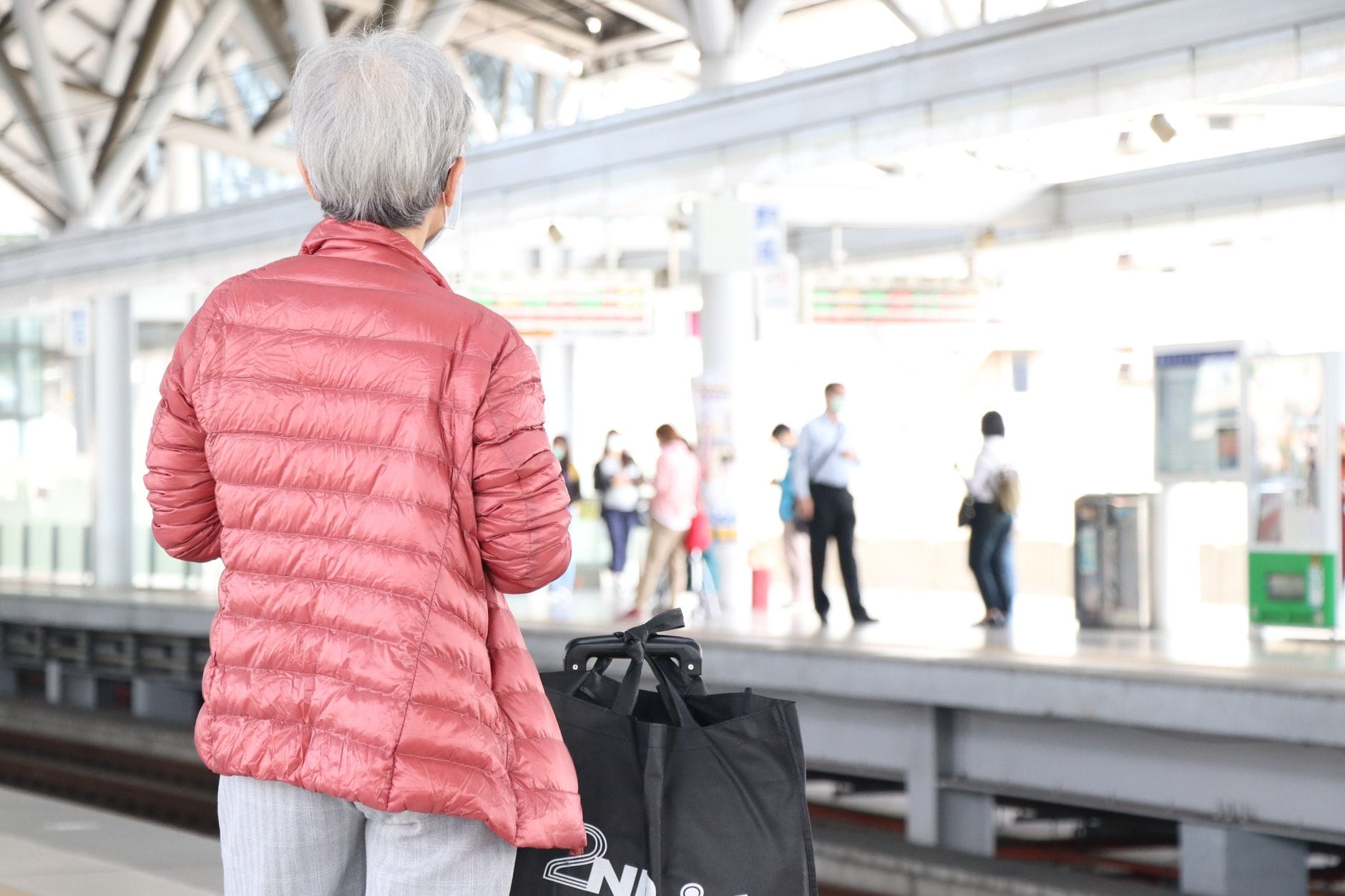
A lighter bag makes almost every step easier. Many older travellers prefer small wheeled luggage over backpacks, especially when platforms involve stairs. Book accommodation with lifts or ground floor rooms and check station access on your planned route. If mobility is variable, aim for shorter travel days with time to reset. Night trains and tight connections add drama but also stress, so weigh the trade off honestly.
Insurance and medical planning
Active or remote trips need insurance that matches what you will actually do. Pay attention to pre existing conditions, activity exclusions for cycling or trekking and emergency medical cover, including repatriation. If you are considering destinations that involve complex visas or unpredictable logistics, such as parts of the former Soviet region, be realistic about the extra paperwork and risk. For many travellers seeking a low risk, restorative experience, Europe by rail or Japan’s well organised networks are simpler choices.
A quick planning checklist
- Confirm rail pass eligibility if you are UK based, and whether your routes need seat reservations.
- Decide on a pass type that matches your style, continuous for daily movement or flexi for occasional hops.
- If taking a bike, check each operator’s carriage rules, size limits and booking steps. Factor in ferries if relevant.
- Book accessible rooms and check station lift access where you will change trains.
- Keep luggage small and rollable. Plan gentle days between long transfers.
- Buy travel insurance that covers your age, conditions and chosen activities. Read the exclusions carefully.
- Use trusted resources for up to date details, for example national rail operator pages, Man in Seat 61, Cycling UK and official Japan Rail Pass guidance.
Thoughtful preparation turns slow travel from a good idea into a reliably enjoyable, confidence building experience.
Find out more
- Interrail Senior Discounts | Up to 10% discount for Seniors — Official Interrail page on senior discounts and practical pass details — check the 10% over‑60 discount, country/residency settings and the site’s seat‑reservation FAQ before you buy.
- How do I book seats? | Interrail.com — Interrail’s specific guidance on seat reservations — explains which high‑speed and night services require paid reservations and gives country‑by‑country booking instructions.
- How to make reservations with an Interrail pass — Man in Seat 61’s step‑by‑step guide to making Interrail/Eurail reservations — a highly practical independent walkthrough of online and station booking options and tips.
- Expert Guide to Regional Japan Rail Passes — Authoritative JR Group information on the Japan Rail Pass — covers pass eligibility, what it includes and links to the official reservation portal for seat bookings across Japan.
- Guide to taking your bike on an aeroplane | Cycling UK — Cycling UK guidance on taking bikes on trains, ferries and planes — charity‑led practical advice on carriage rules, bagging, size limits and recent service updates (useful for long bike tours).
Image: Photo: Chung-En HU / Pexels