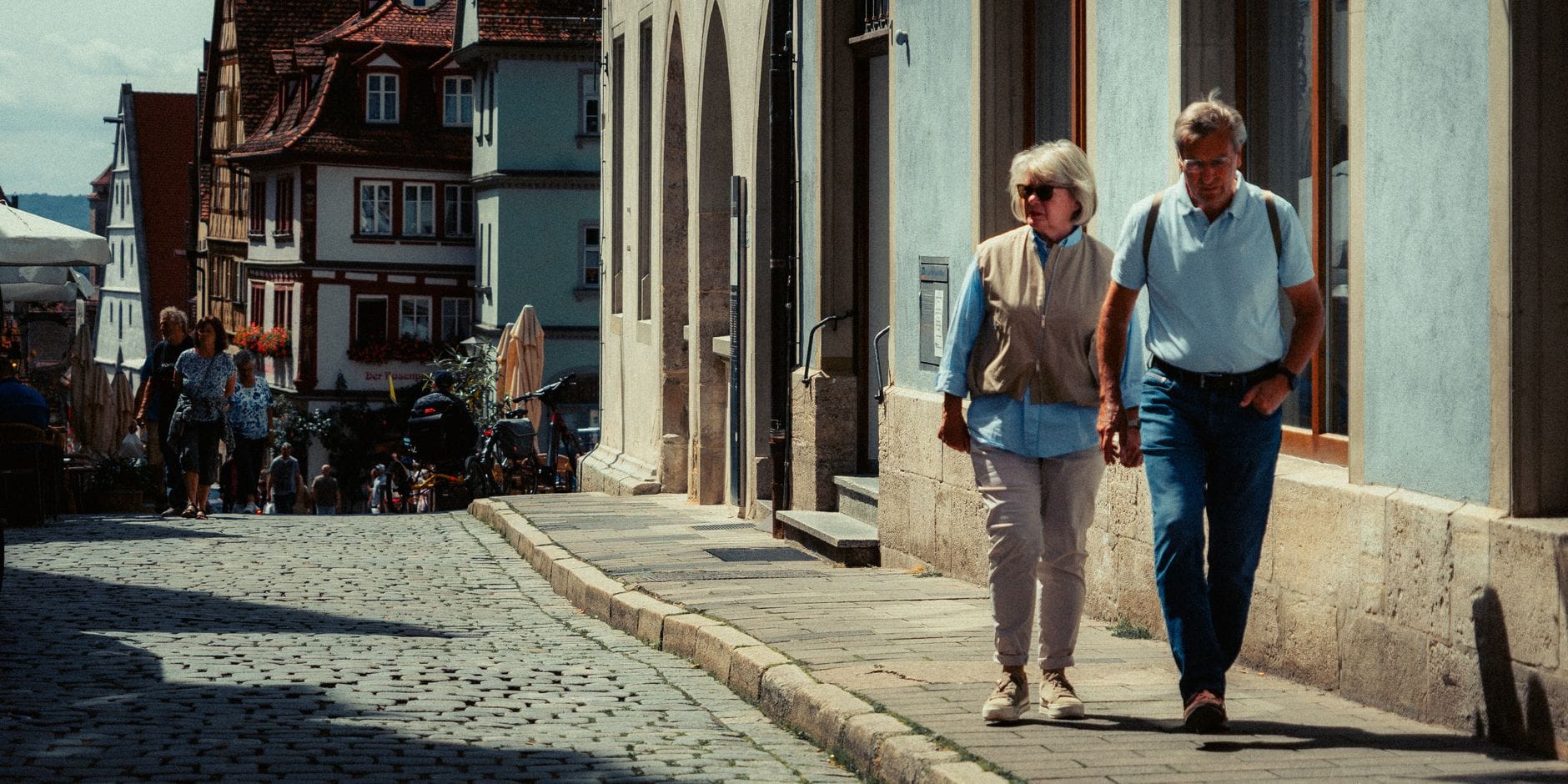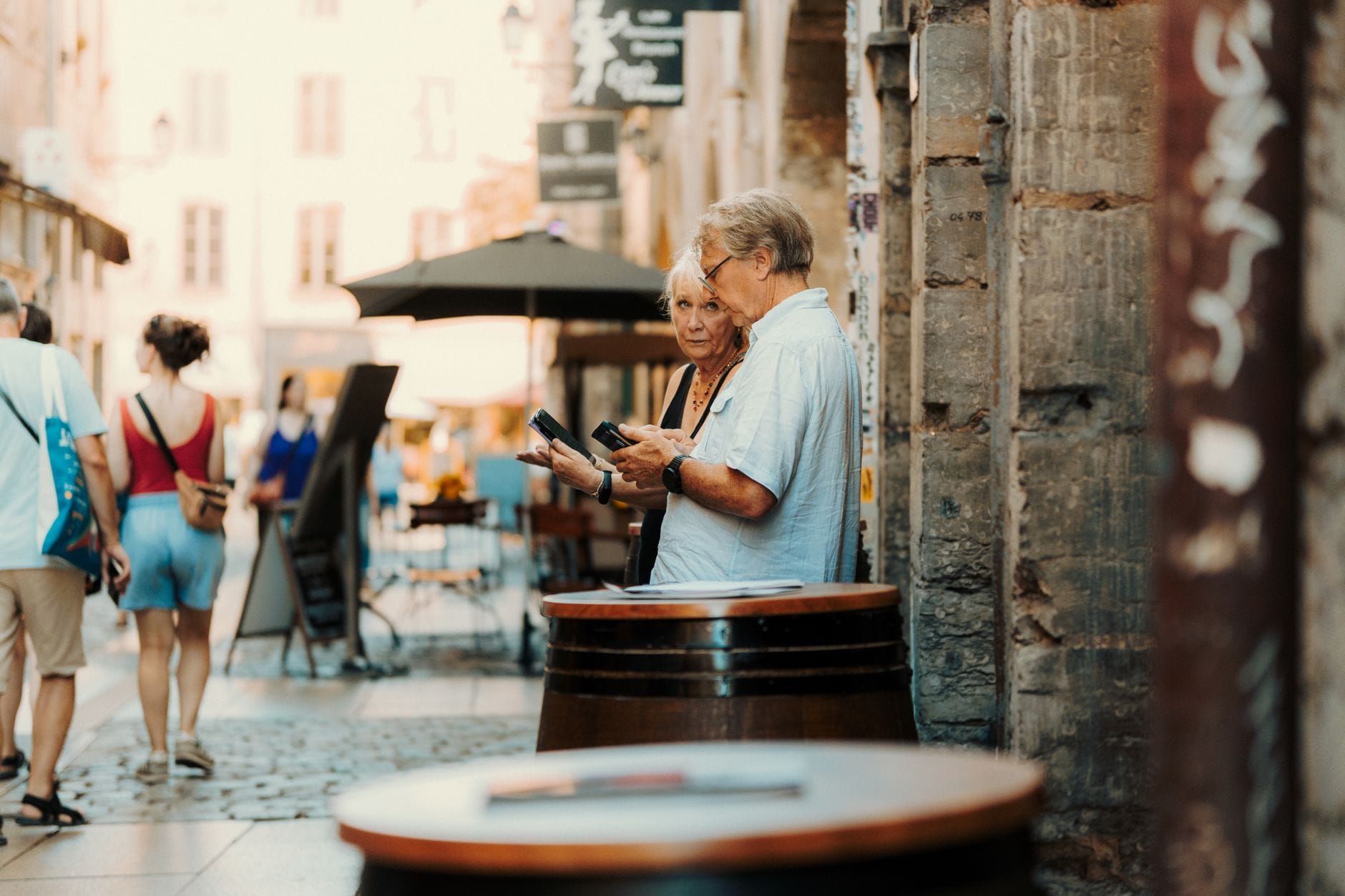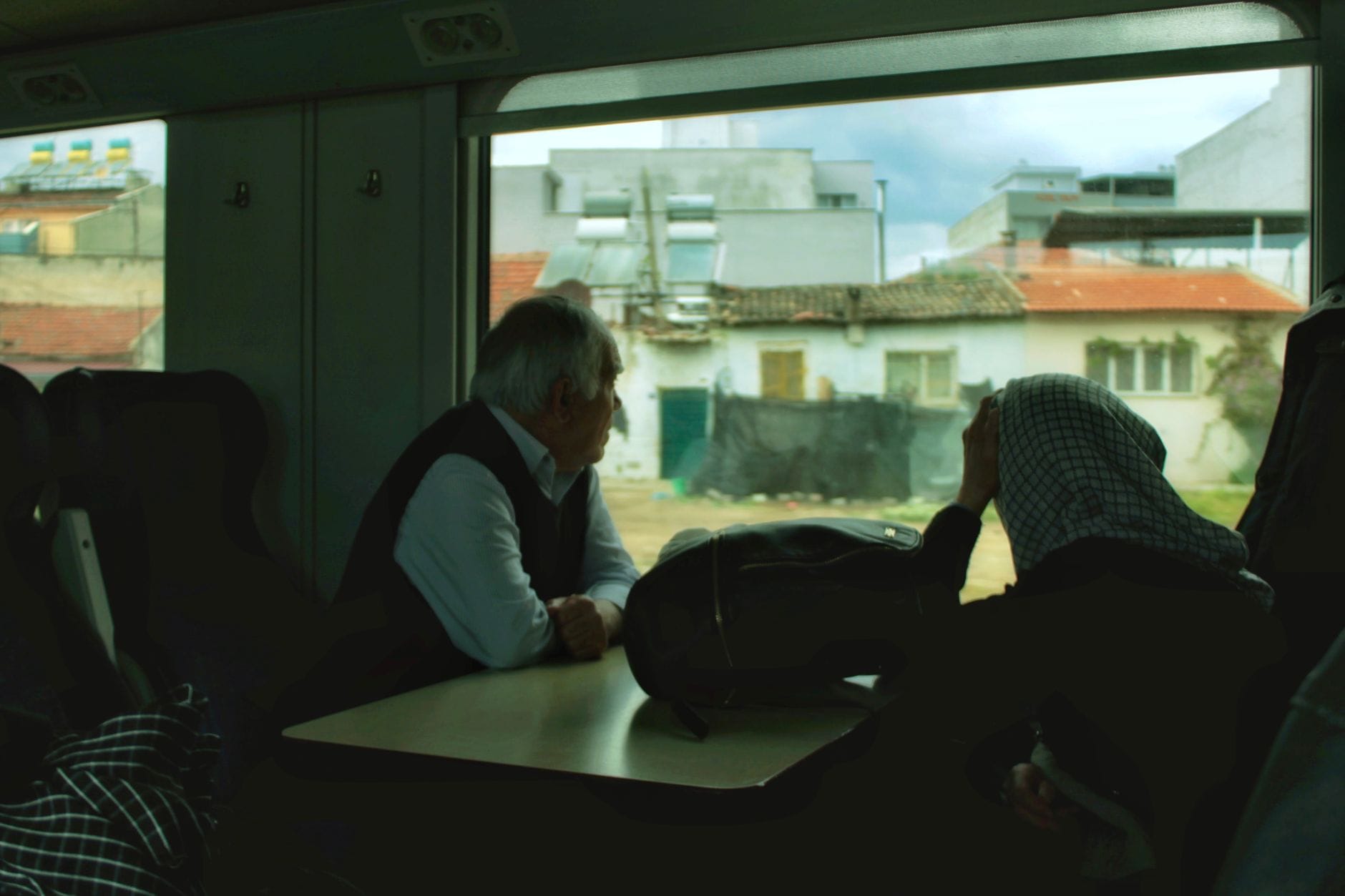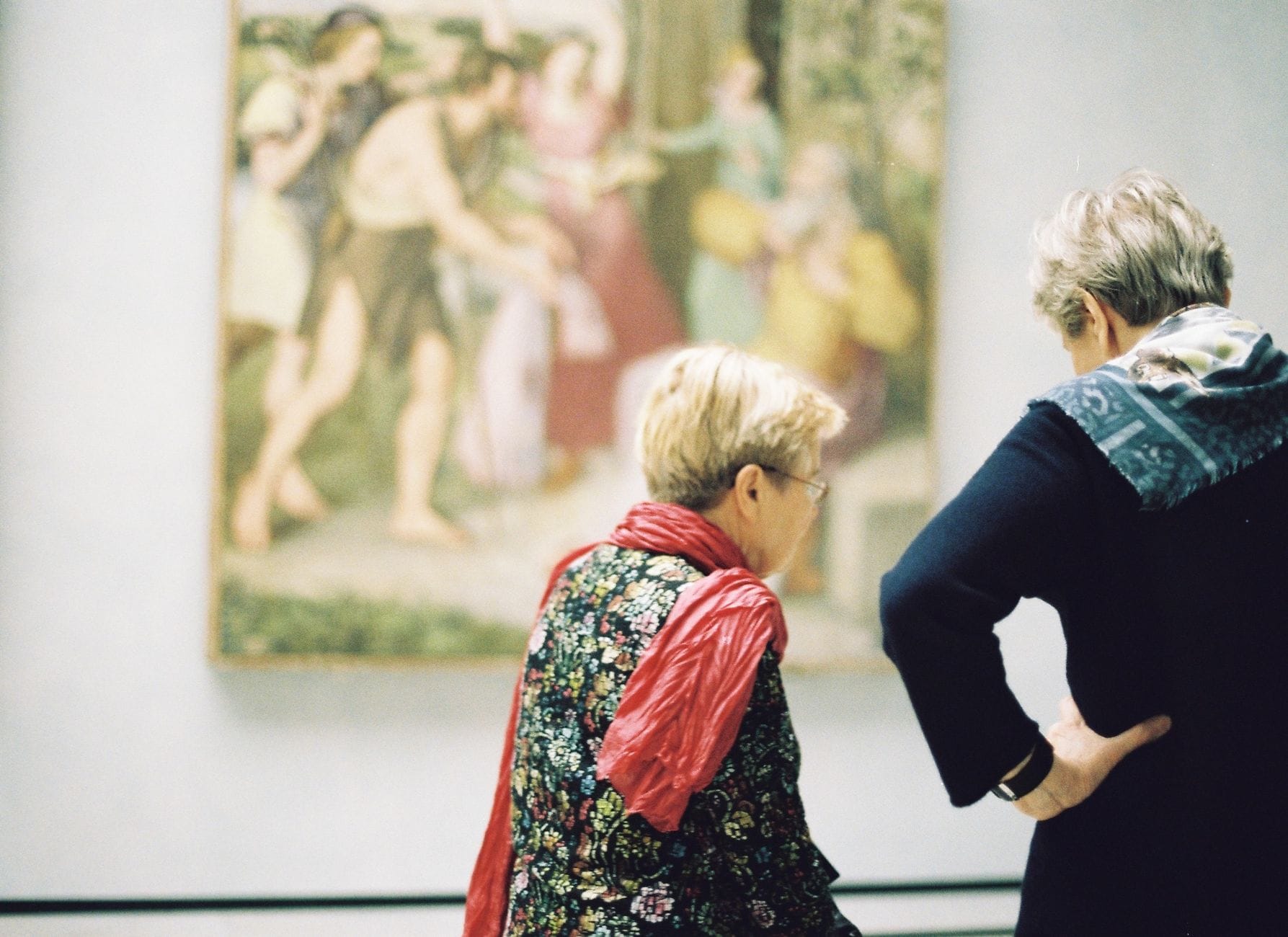
A synthesis of studies involving roughly 34,000 older adults proposes that thoughtfully designed travel, local or longer, may support psychological, social and physical wellbeing. The evidence is promising but uneven, and causal claims remain premature.
The big idea
A recent systematic review proposes that tourism can support active aging across psychological, social and physical domains. Drawing on data from roughly 34,000 adults generally aged 55 to 85, the authors outline a Tourism–Active Aging Multidimensional Model (TAMM) suggesting that experiences combining novelty, recreation, social interaction and mobility may benefit later-life wellbeing. The signal is positive, not definitive.
What the review examined
- Participants: mostly 60+, with some studies including 55 to 59; outcomes tied to wellbeing and active aging.
- Geography: studies concentrated in Asia (n=10) and Europe (n=7), plus one from Eastern Europe (Ukraine). This limits generalisability to other regions and settings.
- Quality: explicit appraisal criteria with a scoring scale (High ≥9; Medium 5–8; Low <5).
- Limits: heterogeneous study designs and definitions of both “tourism” and “older adult.” The excerpt does not report pooled effect sizes, causality, or how long any benefits last.
How travel might help
The TAMM frames tourism as a composite experience that can touch multiple pillars of active aging: - Psychological: positive affect, life satisfaction, sense of purpose. - Social: reduced isolation, stronger networks through shared activities. - Physical: light mobility via walking and outdoor activity embedded in trips.
Why this matters for readers 60+
Active aging is about participation and wellbeing, not just years lived. The review offers cautiously supportive evidence that well-planned trips, even short, local and low cost, can layer movement, social contact and novelty in ways that feel good and may be beneficial.
Practical ways to try it now
- Start local: day excursions, nature walks, museum visits or cultural events.
- Build in light movement: choose routes with manageable walking and accessible transport.
- Go social: travel with a friend or join a group to reduce isolation.
- Pace it: include rest periods and seating options; avoid rushed itineraries.
- Plan safely: align plans with your health status; consult your clinician for personalised advice (for example, travel medicine, medication checks, insurance, mobility aids).
- Mind access and budget: seek fall-safe environments, discounts and community transport.
For community organisers and providers
- Design age-friendly itineraries that combine mobility options, rest periods, social interaction and exposure to culture or nature.
- Track outcomes such as life satisfaction and social connectedness to strengthen the evidence base.
- Tailor to local context and diverse mobility or health needs, and offer budget-sensitive choices.
Important cautions
- The review’s evidence is heterogeneous; strong causal statements are not warranted from the excerpted material.
- The size and duration of benefits are unclear, and findings may not generalise beyond the mainly Asian and European settings studied.
What we still do not know
- Effect size and causality: Are benefits robust and truly caused by travel?
- Duration: Do gains persist after trips, and for how long?
- Subgroups: Do impacts differ by age band, sex, baseline health, mobility or socioeconomic status?
- Type and dose: Which forms of tourism (cultural, nature-based, social, religious, wellness) and what frequency or intensity work best?
- Comparators: How does tourism stack up against non-travel options like local group exercise, volunteering or arts participation?
- Safety and risk: Rates of adverse events such as falls, infections and medication issues by setting remain to be clarified.
- Accessibility and cost: Which practical solutions most effectively reduce barriers?
- Measurement: Consistency of wellbeing indicators and potential biases need attention.
- Model validation: The TAMM now needs prospective testing in interventions or trials.
Bottom line
Thoughtfully planned travel, near or far, appears to align with key ingredients of active aging: movement, social connection and engaging novelty. Start where you live, scale to your health and budget, and treat any wellbeing boost as a promising possibility rather than a guarantee.
Find out more
- The Tourism-Active Aging Multidimensional Model (TAMM) — The published systematic review (MDPI) that introduces the Tourism–Active Aging Multidimensional Model (TAMM) — read this for the full methods, scope, outcomes and the authors’ synthesis linking tourism to physical, psychological and social domains.
- Older Adults and Healthy Travel | Travelers' Health | CDC — CDC consumer guidance for older adults planning travel — practical health checks, vaccine and medication advice, and recommendations for pre-travel consultations.
- About the Global Network for Age-friendly Cities and ... — Official WHO page on the Global Network for Age‑friendly Cities and Communities — outlines the age‑friendly framework and resources useful for organisers and older travellers assessing destination accessibility.
- Senior Travel Deals, Discounts & Tips for 2026 — AARP’s practical guide to senior travel deals, discounts and tips — helpful for budget‑minded older travellers (discounts on trains, buses, hotels and practical planning tips).
- Guidelines for the prevention of travel-associated illness in older adults — A detailed, peer‑reviewed guideline (PMC) on preventing travel‑associated illness in older adults — covers immunisation, age‑related vaccine issues and medication considerations to discuss with your clinician.
Image: Photo: Burcu Elmas / Pexels