Seven trip styles now suit travellers prioritising comfort, low friction and meaningful activity. Here is how to choose and plan options that support mobility, social connection and wellbeing, with UK friendly examples.
Why this matters now
Many of the most popular trip styles among older travellers build movement, learning and social contact into the holiday itself. That combination can support mobility, confidence and mood, while keeping logistics simple enough to enjoy the journey.
The trip styles at a glance
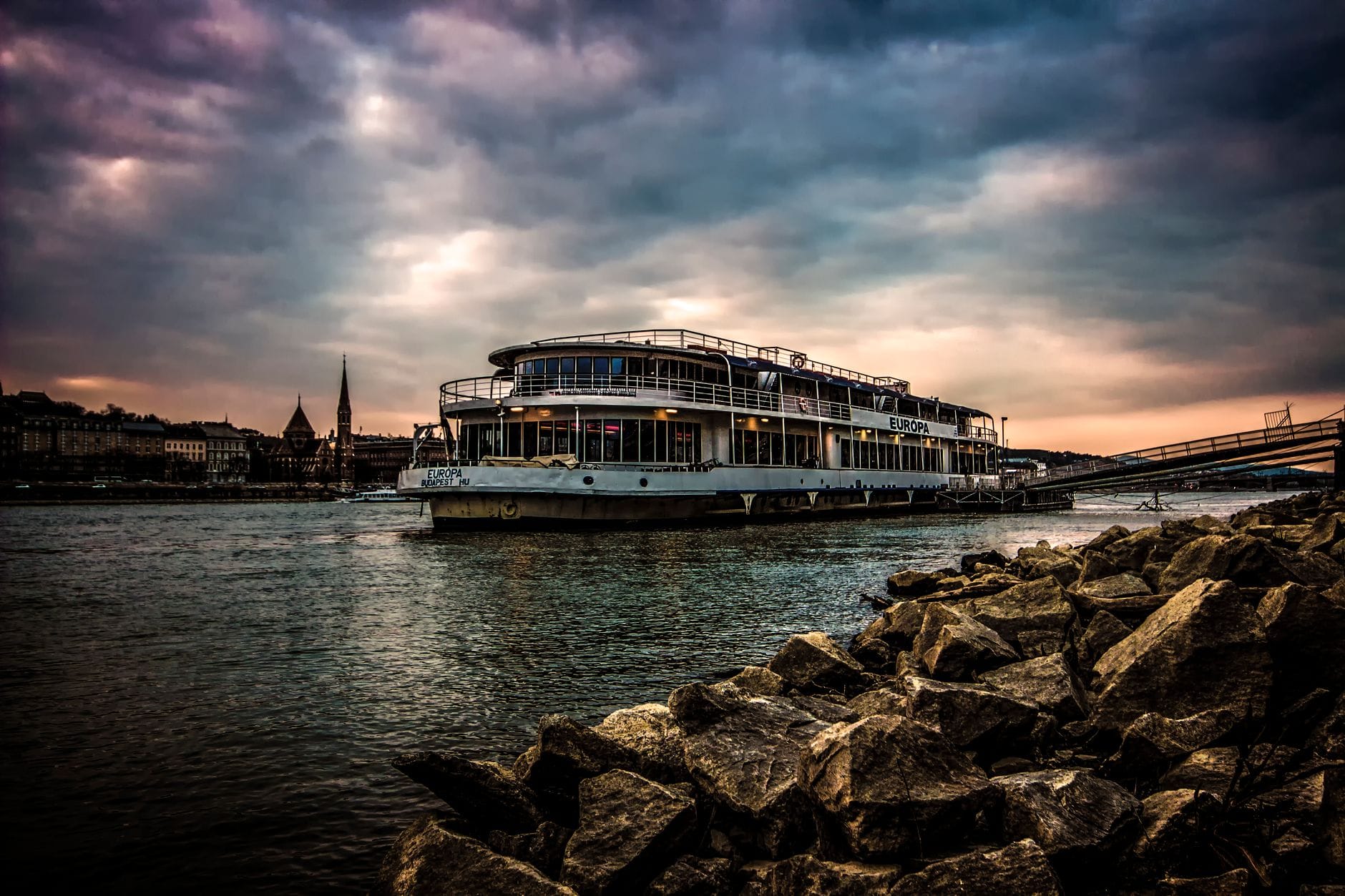
- River cruises: Typically smaller ships with around 100 to 200 passengers, often docking close to city centres. You unpack once, join guided excursions at your pace and enjoy sociable dining. UK friendly examples include short itineraries on the Thames or Severn, as well as nearby European rivers.
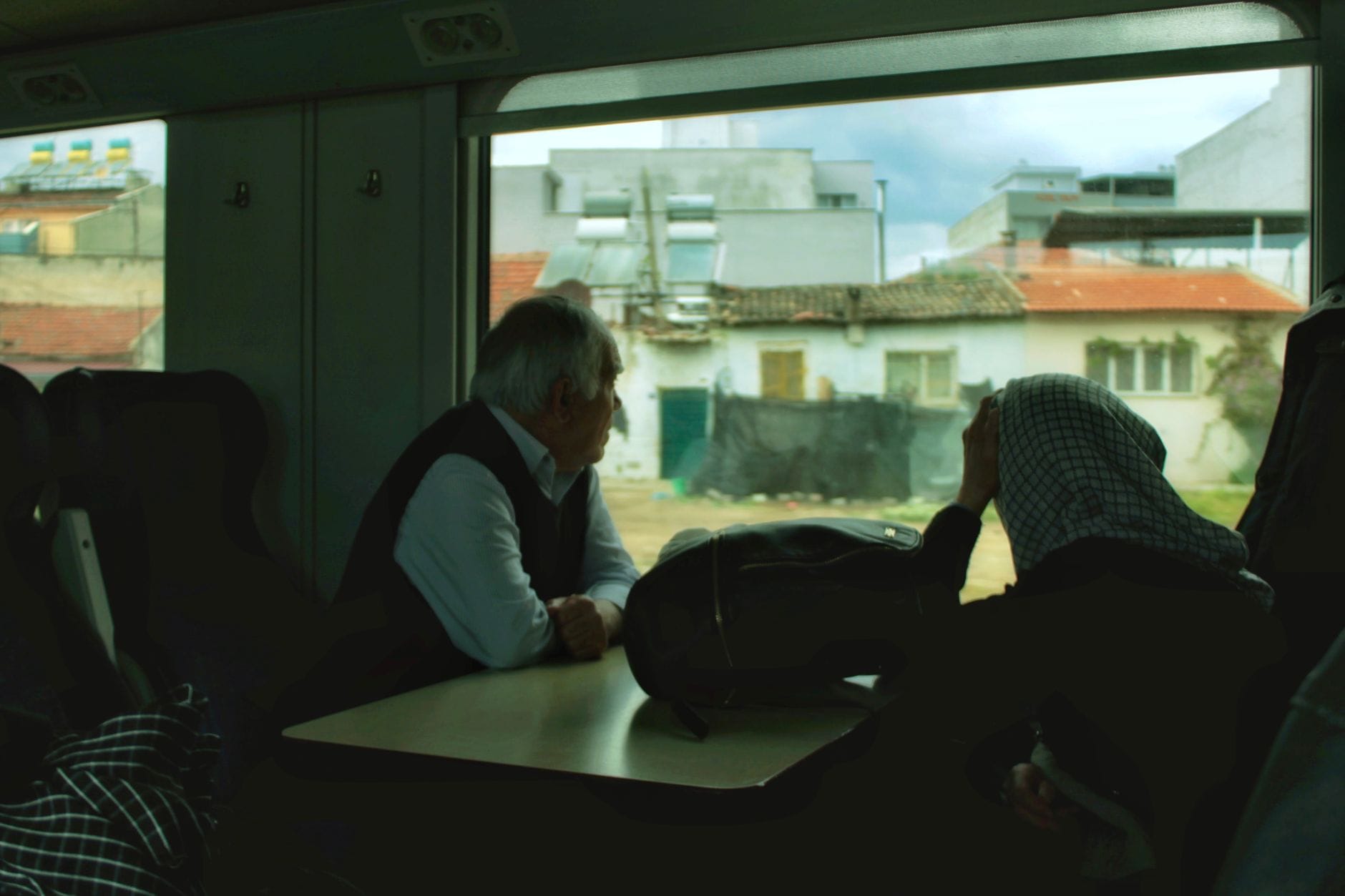
- Luxury train journeys: The journey is the experience, with private cabins, fine dining and curated excursions. Classic routes named by operators include the Venice Simplon-Orient-Express and the Rocky Mountaineer. Britain also offers premium rail experiences for those who prefer to stay closer to home.
- Health and wellness retreats: From spa and thermal-bath access to yoga and programmes focused on stress reduction and mobility. These can prioritise rest or offer structured, goal-led weeks. Options exist across the UK and Europe.
- Soft-adventure trips: Active without being extreme. Think easy guided hikes, e-biking, kayaking on calm water or gentle rafting. Ideal if you want fresh air, scenery and a little cardiovascular work without long hard days.
- Heritage travel: Visiting ancestral towns, tracing family stories or exploring battlefield and historic sites. This is immersive and mentally stimulating, and it can be done at a comfortable pace.
- Culinary travel: Markets, cooking classes and slow dining that connect you with local culture. Often walkable, often sociable and easy to tailor to your energy levels.
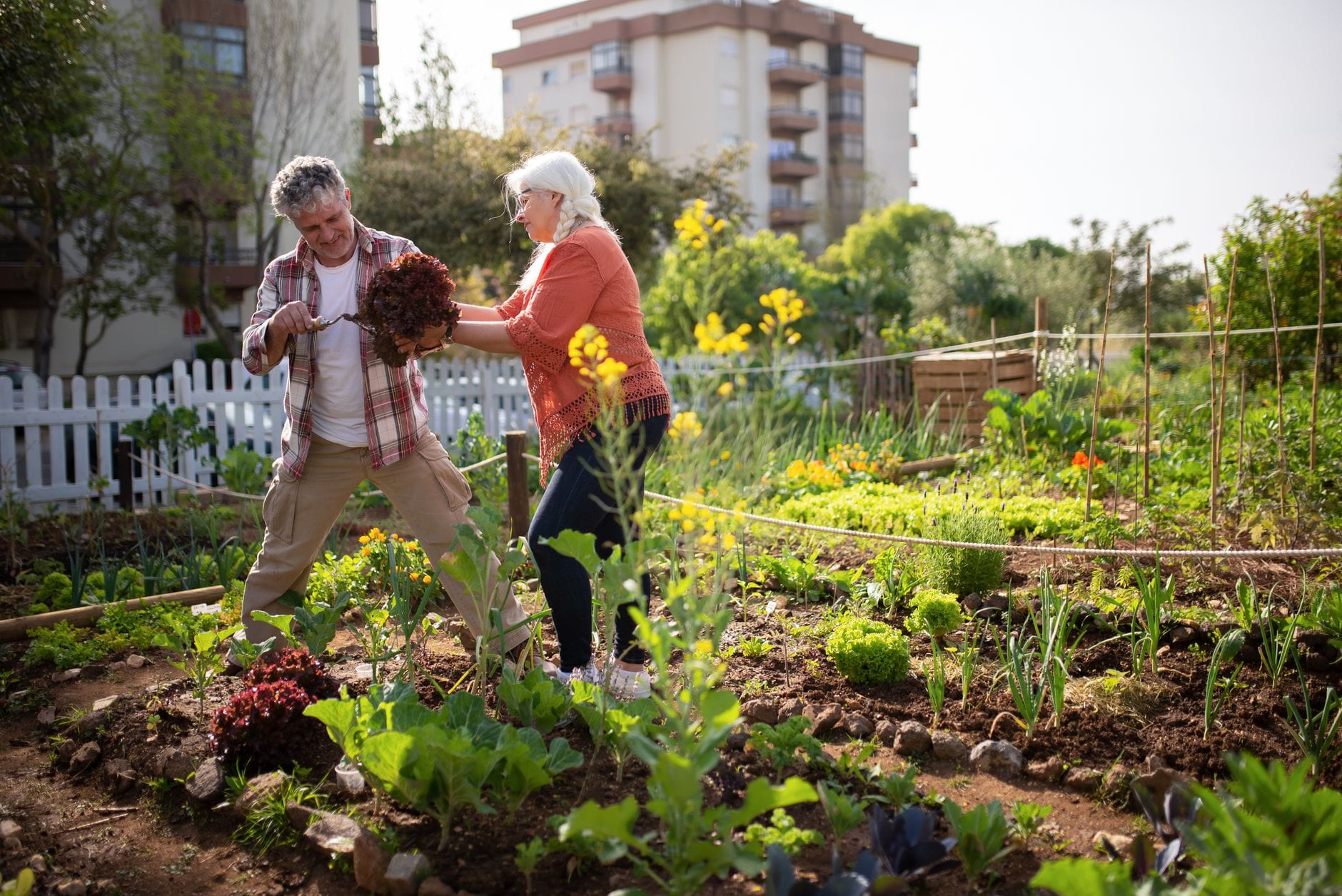
- Eco-aware choices: Longer stays in fewer places, more rail travel, eco-lodges and conservation-focused experiences. This can reduce travel friction and environmental impact while deepening your time in each location.
How to choose the right fit
Start with how you want to spend a typical day, not the destination list. Then match the format to your energy, mobility and social preferences.
- If you enjoy structure and company, consider river cruises, luxury trains or guided heritage and culinary trips.
- If you prefer self-paced movement, look at wellness retreats with optional classes, or soft-adventure trips that grade activities by intensity.
- If packing and transfers feel tiring, pick options where you settle in once, such as river cruises, luxury trains or single-base retreats.
- If you want deeper learning, heritage or culinary itineraries with expert guides can provide focused, meaningful content.
Ask operators specific, practical questions: How are excursions graded by effort, how big are groups, what are the options if you skip an outing, and what happens in poor weather.
Plan for health, access and confidence
A little preparation turns a good idea into a great trip.
- Medical check and medications: If you have ongoing conditions, discuss plans with your GP. Confirm you can manage the planned activity level. Carry enough medication for the whole trip plus a buffer.
- Insurance: Ensure your policy covers pre-existing conditions and any planned activities such as e-biking or kayaking. Confirm cover for mobility aids if you use them.
- Accessibility: Ask about lift access, step-free boarding and accessible cabins or rooms. On excursions, request walking distances, terrain and seating availability.
- Pacing: Look for itineraries with rest time. Choose cabins or rooms near dining or lifts if long corridors are tiring.
- Official travel health advice: For overseas trips, check NHS travel guidance early, then verify any vaccinations or documents well before departure.
Lower impact, less hassle
Eco-aware habits can also make travel easier on you.
- Fewer moves, longer stays reduce packing and unpacking.
- Trains can be calmer than flights and bring you into city centres.
- Choosing local markets, guided walks and conservation experiences focuses time on place, not on transport.
UK friendly starting points
- River time without airports: Short cruises on the Thames or Severn offer city-centre moorings, walkable excursions and minimal transfers.
- Rail journeys close to home: Premium rail days or short breaks in Britain deliver scenery, dining and the ease of a single cabin.
- Retreats and soft adventure: UK wellness retreats, plus national park breaks that combine gentle walking or e-biking with comfortable bases, keep activity manageable and rewarding.
First steps
- Pick the format that matches your daily rhythm, not just your dream destination.
- Call two or three operators and compare the clarity of their answers on activity levels, accessibility and backup plans.
- Book insurance that matches your health profile and chosen activities before paying large deposits.
- Build one rest day into every three active days. Protecting energy protects enjoyment.
Travel that respects your body and stimulates your mind is not a compromise. It is a smarter way to keep exploring, with benefits that often last long after you unpack back home.
Find out more
- Travel vaccinations - NHS — NHS guidance on travel vaccinations: which jabs you may need, timing (get advice weeks before travel), and which vaccines are free or charged on the NHS—useful before any overseas trip.
- Travel insurance directory | MoneyHelper — MoneyHelper’s travel insurance directory: a vetted list of firms that can help travellers (including older people and those with pre‑existing conditions) find suitable cover.
- Passenger Assist | National Rail — National Rail’s Passenger Assist page: how to request help at stations and on trains, contact details and options for booking assistance in advance or using ‘turn up and go’ services.
- Buy Venice Simplon Orient Express Tickets | Route & Journeys — Belmond’s official Venice Simplon‑Orient‑Express page: operator itineraries, cabin types and fares for a classic luxury‑train experience if you’re considering a premium rail journey.
Image: Photo: Gülru Sude / Pexels