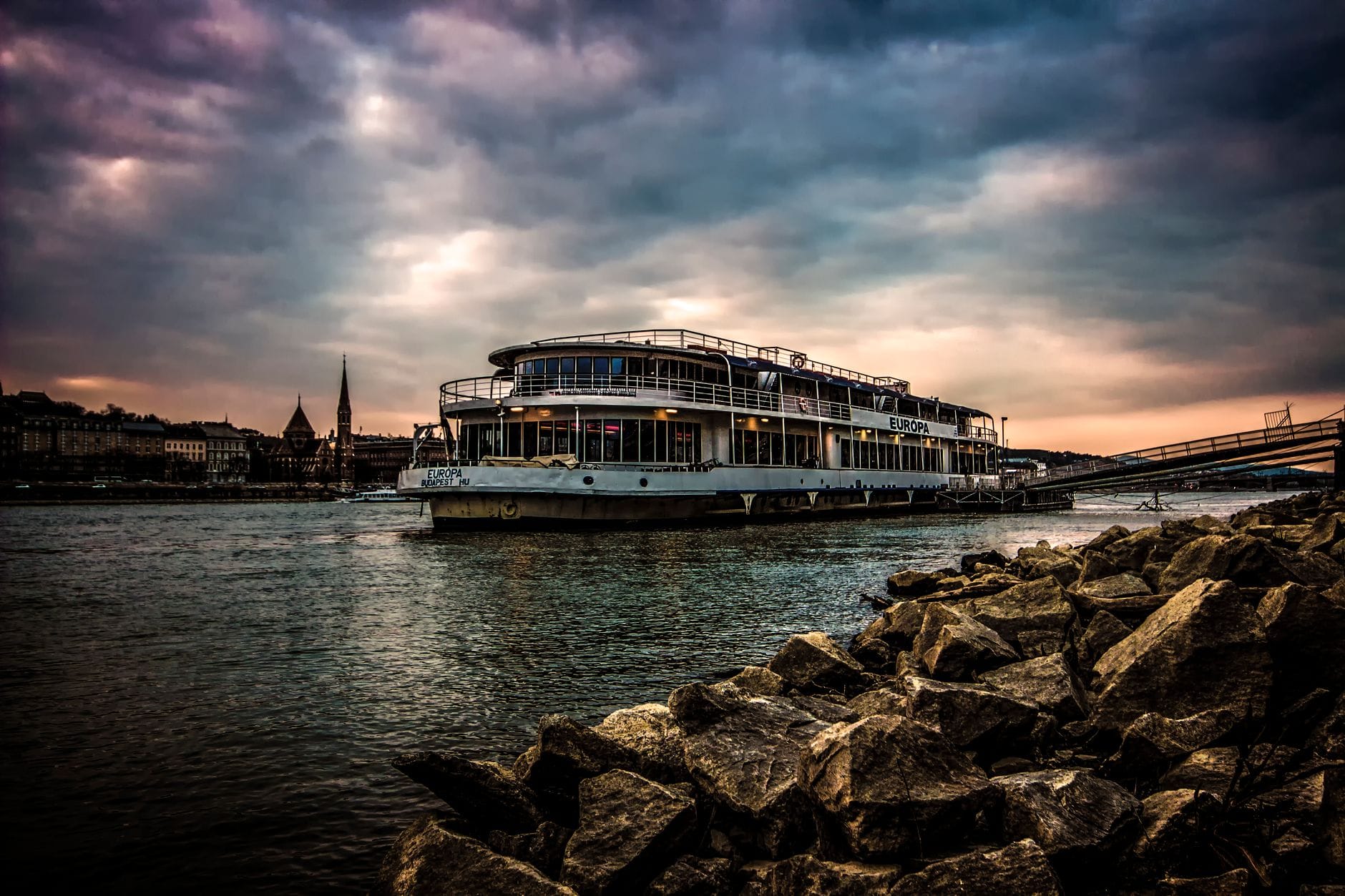
Europe's major rivers have fallen to record lows, forcing last minute itinerary changes from port skips to bus transfers. Here is how UK travellers can book wisely, protect money and prepare for mobility and heat.
Why this matters now
Parts of the Danube, Rhine and Main have reached record low water levels this summer. River-cruise lines are keeping trips going, but many are changing plans at short notice. That can mean longer coach days, extra walking and heat exposure, as well as altered embarkation points and missed ports. If you value comfort, predictable access and low-impact sightseeing, it pays to plan with disruption in mind.
What disruptions look like
To keep itineraries moving when a river becomes too shallow to sail, operators are:
- Swapping sailing segments for coach transfers between cities
- Skipping or replacing ports and excursions
- Adding hotel nights on land
- Moving guests to a different ship on the other side of a low-water stretch
Some travellers are hearing about embarkation changes and missed ports only a few days before departure. Major lines, including Viking, AmaWaterways and Uniworld, have posted advisories acknowledging low-water impacts and say they are contacting affected guests or agents.
Booking choices that reduce risk
If you are flexible on dates or destination, you can lower the chance of disruption.
- Favour cooler shoulder seasons, which typically bring higher water than peak summer.
- In mid summer, consider regions less affected in a given week rather than insisting on a specific river.
- Choose bookings with clear change or cancellation terms so you know your options if plans shift.
Questions to ask before you pay
Contracts of carriage usually say cruise lines are not liable for weather or water level changes, so do not assume compensation for missed ports. Before you commit, ask your operator or agent:
- How do you handle buses, hotel nights and ship swaps if water drops?
- Will staff handle luggage throughout any substituted land segments?
- What accessibility support is provided, for example step-free access, coach steps, seat allocation and restroom stops?
- If the embarkation port changes, how and when will you notify me, and who arranges transfers?
Insurance and money cautions for UK travellers
Insurance and disruption cover vary by policy and by market. In the UK, check the exact wording for travel disruption and cancellation. Confirm in writing whether your policy covers:
- Low-water itinerary changes after booking
- Pre-departure cancellation if the itinerary is materially altered
- Additional costs from enforced hotel nights or coach transfers
Some policies marketed elsewhere as Cancel For Any Reason work differently or are not widely available in the UK. Do not rely on that label. Verify what is actually covered under your policy and how claims are assessed.
Prepare if buses or ship swaps replace sailing
Ground days can be hotter and more tiring than expected. Build a simple plan:
- Pack a small day bag for coach days, with water, sun protection, medications and a hat.
- Carry a list of essential medicines and timing, since mealtimes can shift when routes change.
- Ask in advance about rest stops and shade on walking tours that replace sailing days.
- If a hotel night is added, confirm lift access and room proximity to lifts if you prefer fewer steps.
Stay informed close to departure
Late changes are possible. Monitor your line’s advisory page, keep your contact details up to date and check messages daily from the week before travel. If you are pairing a cruise with independent rail or flights, leave buffer time on either side to absorb last minute embarkation or disembarkation changes.
A realistic outlook
Low water can mean missed scenery and extra time on roads, but many guests still enjoy the onboard experience when plans adjust. The key is to book with eyes open, ask precise accessibility and luggage questions, and make sure your insurance and timing reflect the real risks this summer.
Watch
Find out more
- Updates on Current Sailings | Viking® | Viking River Cruises® — Viking’s official advisory page with updates on current Danube, Elbe and Rhine sailings — useful for checking how a major operator handles low-water situations (ship swaps, coach transfers and operational notices).
- Travel Updates (UK/EU) | AmaWaterways (EU) — AmaWaterways’ travel-updates page outlining Rhine and Danube advisories and the kinds of itinerary adjustments the line may make — helpful if you’re booked with AmaWaterways or want an example of operator procedures.
- Your rights when your cruise itinerary changes — BBC guidance on your rights when a cruise itinerary changes — a UK-focused explanation of when refunds or alternatives may be offered and what counts as a ‘minor’ versus significant change.
- Kaub gauging station - Wikipedia — The Kaub gauging-station entry (Wikipedia) explains why Kaub is a critical Rhine choke point and shows historic water-level context — useful background on why low water forces route changes.
- Low Water On The Rhine & Danube: What You Should Know – River Cruise Advisor — River Cruise Advisor’s explainer on low water for the Rhine and Danube — practical, experienced‑traveller perspective on what ‘affected’ cruises actually mean and how often disruptions occur.
Image: Photo: musicFactory lehmannsound / Pexels