Europe is busier and pricier into 2026, with 46 to 65 year olds now the largest travel group. Early, strategic planning can unlock better value, calmer itineraries and richer wellbeing benefits.
Why this matters now
Europe’s tourism recovery is gathering pace into 2026. Demand, hotel occupancy and room rates are still rising, and travellers aged 46 to 65 now make up about 30 percent of all trips. This group tends to favour cultural, local and wellbeing‑focused experiences, so popular cities and nature hotspots are booking up sooner and costing more. For UK travellers, this means acting earlier and choosing destinations and timing with care to secure value and avoid the heaviest crowds.
The numbers behind the squeeze
Across May 2025 to April 2026, passenger traffic in Europe rose 2.3 percent, hotel occupancy increased 2 percent, and average daily rates climbed 7 percent. International arrivals rose another 4 percent in early 2026, led by Central and Eastern Europe at plus 6 percent. Peak pressure is lasting longer too: from May to October 2025, occupancy stayed at or above 73 percent, peaking around 80 percent in September. Nearly half of trips are now booked more than a month ahead, and forward bookings for September 2026 are already ahead of last year.
What this means in practice: leave planning late and you are likely to pay more, face busier sights and have fewer accessible room options.
Time your trip for space and value
Shoulder seasons still help, but they are busier than before. For city breaks or nature trips, aim for:
- Early May or mid to late October rather than late May, June or September.
- Midweek departures, which often sidestep weekend spikes in occupancy.
- Earlier commitments for late summer and autumn. Two to three months ahead improves choice and can soften prices when deals appear.
Choose destinations strategically
Interest is spreading beyond classic Mediterranean hubs. Faster growth is showing up in places that suit culture and nature without the same saturation.
- Central and Eastern Europe: Czechia is a standout with bookings up 18 percent. Think well‑preserved cities, walkable historic centres and good rail links.
- Northern Europe: Iceland bookings are up 11 percent, reflecting demand for nature‑centric travel. Wider interest is also building across the Nordics and Alpine countries.
If peak‑season crowds are a worry, consider secondary cities and regions that still deliver museums, walking routes, thermal spas or coastal paths without the busiest bottlenecks.
Book smarter for health, access and budget
Prices are trending up, so make value work for you while keeping itineraries wellbeing‑rich and accessible.
- Lock in earlier: with 48 percent of trips booked more than a month out, early decisions improve room choice, including step‑free options and quiet locations.
- Mix accommodation types: look at apartments for longer stays, or use hotel loyalty redemptions and packages that bundle transport or museum passes.
- Plan for movement: choose walking‑friendly districts near parks or waterfronts, and build in nature days, spa or thermal stops, and cultural passes that encourage daily activity without rushing.
- Check the practicalities: confirm lift or ramp access, proximity to public transport and healthcare, and flexible cancellation policies.
Keep perspective
These are Europe‑wide trends and the age data groups 46 to 65, so behaviours may not mirror every traveller over 60. Vendor datasets can shift as new bookings come in. Treat the signals as directional, then make flexible plans that suit your pace and preferences.
A well‑timed, well‑chosen trip can deliver more movement, more culture and less stress, even in a busier market.
Watch
Find out more
- Foreign travel advice - GOV.UK — Official UK Foreign, Commonwealth & Development Office travel‑advice index — use it to find up‑to‑date country pages on safety, entry rules, insurance and local risks before you book.
- nights spent at tourist accommodation establishments — Eurostat data on nights spent in tourist accommodation (first half of 2026) — authoritative statistics on occupancy and overnight‑stay trends across Europe to help time and choose destinations.
- 5 accessible days out and activities across the UK | AccessAble — AccessAble guide to accessible days out in the UK — practical, venue‑level information on step‑free access, toilets and other facilities to check accessibility before you travel.
- Senior Train Discount in Europe | Up to 10% on all Senior Passes | Eurail.com — Official Eurail page on Senior Passes — explains the senior (60+) discount and practical information on planning rail travel across Europe.
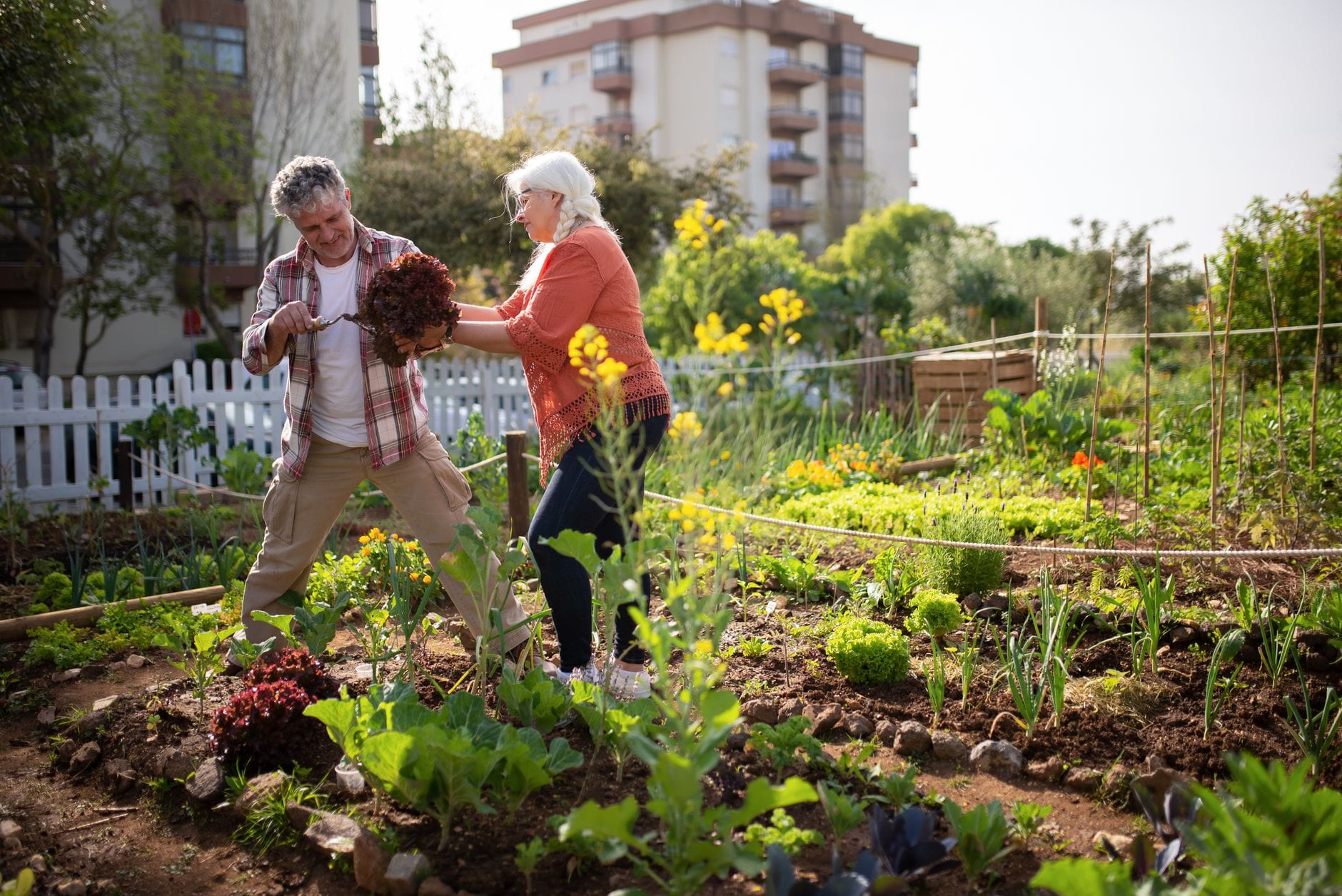
Image: Photo: Kampus Production / Pexels