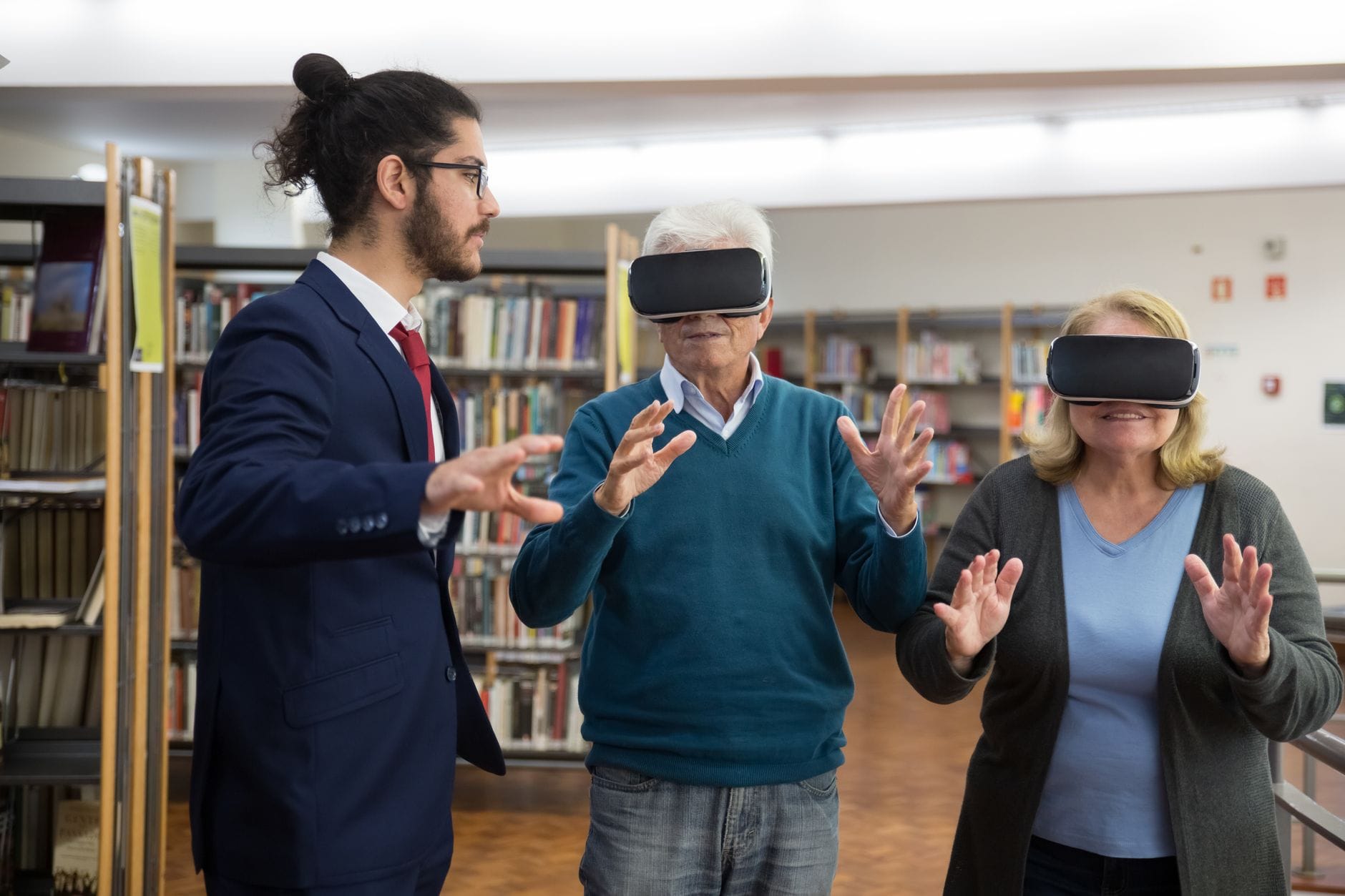
An evidence synthesis suggests VR exercise and cognitive programmes can improve gait, balance and some thinking skills in older adults, with good usability. Tools are maturing, so treat VR as a supportive add-on.
Why this matters now
Staying steady on your feet and mentally sharp are cornerstones of independent living. A new synthesis of evidence suggests virtual reality can help on both fronts. VR exercise has been associated with better gait quality, faster walking speed and improved balance, including in people with frailty. VR-based cognitive training appears at least as effective as traditional methods, and many people find it more engaging. If standard routines feel repetitive, VR may add variety that helps you keep doing the basics that work.
What the evidence shows
- Mobility: Programmes that cue stepping, reaching or shifting weight in virtual environments have been linked with gains in walking speed, gait quality and balance.
- Cognition: VR-based rehabilitation shows positive effects on cognitive flexibility, attention, short-term memory and overall cognitive performance, including in people with Mild Cognitive Impairment.
- Engagement and usability: Older adults generally find VR acceptable and usable, with many reporting higher motivation than with paper-and-pencil or standard drills.
- Important limits: Much of the research uses off-the-shelf exergames not designed for older adults or for specific clinical goals. Many studies are small, and fully immersive systems are under-tested. Potential biases and sampling issues mean results are promising rather than definitive.
In practice, VR can be a helpful complement to established balance, strength and brain-training routines. It should not replace proven fall-prevention or rehabilitation programmes.
How VR can fit into your routine
Think of VR as a tool that makes the right work feel more interesting:
- Balance and gait: Exergames that cue stepping, reaching and controlled turns rehearse the same skills targeted in fall-prevention classes. The appeal is timely feedback and variety, which may help you keep going.
- Cognitive stimulation: Structured VR tasks that ask you to switch attention, remember locations or plan routes mirror traditional cognitive exercises while offering immersive practice.
- Dual focus: Some programmes blend movement with mental tasks, such as stepping to targets while remembering a sequence. This reflects the split-attention demands of everyday life, like walking while holding a conversation.
Keep your foundations in place. Strength work, balance drills and regular walking remain the core. If you add VR, use it to support those goals rather than displace them.
Choosing age-appropriate options
Because many studies used general consumer content, selection matters:
- Look for clear goal-setting and feedback on accuracy, speed or steadiness.
- Choose content with adjustable difficulty, pace and visual complexity.
- For mobility work, prefer tasks that encourage controlled weight shifts, stepping and posture, not just quick arm movements.
- For cognitive tasks, pick activities that clearly target attention, memory or flexibility rather than unfocused entertainment.
- If you live with frailty, balance problems or visual issues, discuss options with a physiotherapist, occupational therapist or local falls service before starting. They can advise on suitability and how to integrate VR safely with your current plan.
Safety first: simple checks before you start
VR can challenge balance and sensory systems. A few precautions reduce risk and discomfort:
- Clear floor space, remove trip hazards and ensure good lighting.
- Have stable support nearby, such as a sturdy chair, rail or countertop. For first sessions, ask a family member or carer to supervise.
- Start seated or with low-intensity tasks, then build up gradually as confidence grows.
- If you feel dizzy, motion sick or disoriented, pause immediately and resume with gentler content or shorter sessions.
- Adjust straps for a secure but comfortable fit. Take breaks to avoid eye strain.
- Be cautious if you have vestibular disorders, severe frailty or significant visual impairment. Get individual advice before using immersive systems.
Access in the UK: what to expect
You may encounter VR at home on consumer headsets, in community programmes or in clinical trials. Routine NHS use is not yet standardised. If you are curious, ask local physiotherapy, occupational therapy or falls services whether they know of suitable programmes or studies, and how VR might complement your current exercises. Expect options to grow as tools are refined for older users.
Keep expectations measured
The direction of travel is encouraging. Mobility and cognitive gains have been reported across multiple studies, and older adults often enjoy VR enough to keep returning. However, most current tools were not built specifically for older bodies or clinical goals, and the research base still has limitations. Treat VR as a motivating add-on to evidence-backed routines rather than a shortcut. If future programmes are designed for older users from the ground up, we may see clearer, longer-lasting benefits.
Getting started, sensibly
- Keep your core routine: strength, balance and aerobic activity remain the backbone.
- Add short VR sessions for variety, choosing adjustable, purpose-driven tasks.
- Monitor how you feel during and after sessions, and dial intensity accordingly.
- Check in with a professional if you have existing mobility, vision or inner-ear issues, or if you are unsure which activities are right for you.
Used thoughtfully, VR can make important practice more engaging. That alone can be powerful, because the best programme is the one you will actually do.
Find out more
- Overview | Falls: assessment and prevention in older people ... - NICE — The official UK NICE guideline page on falls in older people — authoritative, practical recommendations on assessing fall risk and proven prevention interventions, useful for deciding how VR should complement (not replace) established fall‑prevention care.
- Effectiveness of Virtual Reality Therapy on Balance and Gait in the Elderly: A Systematic Review — A free systematic review (PMC) examining effects of virtual‑reality therapy on balance and gait in older adults — helpful for readers who want to see the primary evidence behind reported improvements in walking speed, gait quality and balance.
- Effectiveness of Virtual Reality-Based Training Versus Conventional Exercise Programs on Fall-Related Functional Outcomes in Older Adults with Various Health Conditions: A Systematic Review — A recent systematic review that directly compares VR‑based training with conventional exercise programmes for fall‑related outcomes — useful for understanding how VR stacks up against standard rehabilitation and exercise approaches.
Image: Photo: Kampus Production / Pexels