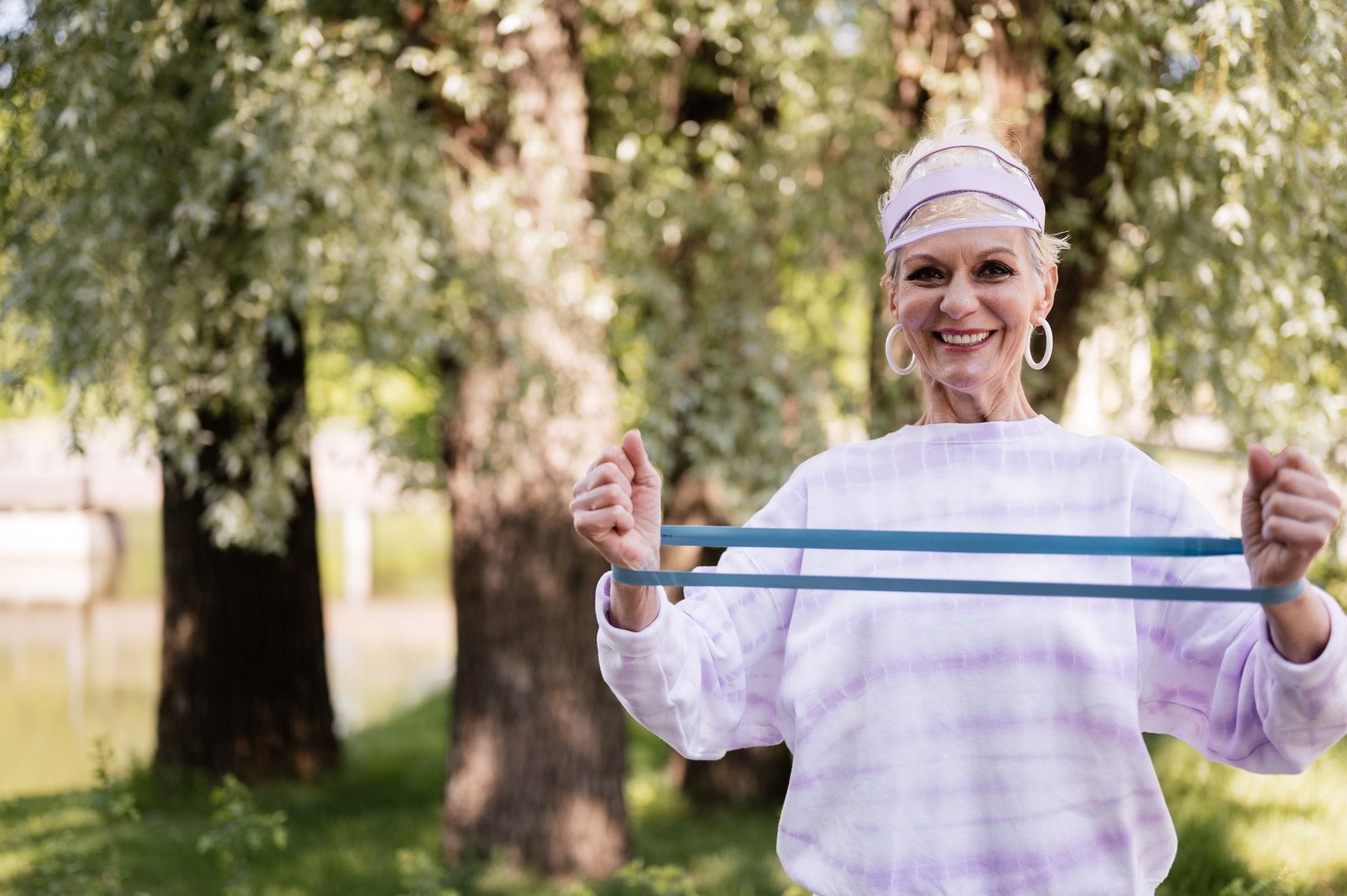
A large US analysis links about 90 to 120 minutes weekly of strength training to the lowest observed mortality, with extra gains when combined with aerobic exercise. Observational data, but practically useful.
Why this matters now
Strength training helps preserve muscle, balance and confidence with everyday tasks. A new analysis suggests a practical weekly range for strength work that is linked with lower risk of death, and it reinforces the value of pairing resistance work with aerobic activity. For anyone aiming to stay capable and independent, this offers a clear, achievable target.
What the study found
Researchers pooled data from three long-running US cohorts, covering 147,374 adults who repeatedly reported how many minutes of resistance training they did each week. Compared with doing none, those reporting 90 to 119 minutes a week had the lowest observed risk of dying from any cause during follow-up, about 13 percent lower on a relative basis. Beyond roughly two hours a week, the curve flattened rather than improving further, with no sign that more time raised mortality risk.
Patterns differed by cause of death. The lowest observed risks for cardiovascular and neurological deaths clustered around the same 90 to 119 minute range. Clear links with cancer mortality were seen only at lower training ranges, such as 1 to 59 minutes a week. The biggest overall reductions appeared in people who combined both types of exercise. Those doing a moderate to high weekly amount of aerobic activity alongside 60 to 119 minutes of resistance work had the strongest joint association, around a 45 percent lower relative risk compared with people doing little or no activity.
Important cautions apply. The study is observational and relies on self-reported training time, so it cannot prove that strength training caused the differences. The researchers adjusted for many factors, but unmeasured differences may remain. The sample was mostly white, mostly women and largely health professionals, which limits how precisely the dose–response curve applies to other populations. The results point to useful ranges, not a one-size-fits-all prescription.
How to put this into practice
Treat 90 to 120 minutes a week of resistance training as a practical target range, not a hard rule. For most people that looks like two or three sessions covering the major muscle groups.
Here are simple ways to organise it:
- Two to three sessions a week of 30 to 45 minutes, with at least one day between sessions for recovery.
- Choose methods you can stick with: machines, free weights, resistance bands or bodyweight. All count.
- In each session, include pushing and pulling for the upper body, plus work for legs and hips, and a couple of core moves.
- Combine with regular aerobic activity you enjoy, for example brisk walking, cycling, swimming or dance on most days of the week. The study suggests the pairing matters.
You do not need to exceed two hours of lifting a week to see the mortality association reported here. That said, a plateau in mortality does not mean extra strength work has no value. More practice or additional sets may still help you gain muscle, improve function, build bone strength and feel steadier on your feet, outcomes not captured by mortality curves.
Safety and progression
- Start where you are, then build up gradually. If you are new to lifting, begin with lighter loads and fewer exercises, and increase over several weeks.
- Prioritise good technique. If possible, take an introductory session with a qualified instructor or join a supervised class.
- Leave a rest day between sessions for the same muscle groups. Soreness is common at first, sharp pain is not a target.
- Talk to your clinician before you begin if you have heart symptoms, uncontrolled blood pressure, recent surgery, or other medical concerns. Adaptations are usually possible.
- Choose equipment that feels stable and controllable. Many people find machines or resistance bands a confidence-building place to start.
Reading the evidence sensibly
This analysis identifies an association between roughly two hours of weekly resistance training and the lowest observed mortality risk in this sample, with the largest overall reductions when strength and aerobic activity are combined. It does not prove cause and effect, and it does not identify a universal personal sweet spot. Individual needs, preferences and safety come first. If you are already lifting more than two hours a week and feel stronger, steadier and more capable, there is no signal here that you should stop. If you are doing little or none, building toward two to three weekly sessions is a realistic and evidence-aligned place to start.
A final note on expectations: improvements from strength training arrive over weeks and months. Consistency beats perfection. Small, regular sessions that fit your life will do more for your health than an ideal plan you cannot keep.
Find out more
- World Health Organization 2020 guidelines on physical ... - PMC — Full WHO 2020 guidance (open access) summarising global recommendations on aerobic, balance and muscle‑strengthening activity for older adults, including the emphasis on multicomponent programs to preserve function and reduce falls.
- Older Adult Activity: An Overview | Physical Activity Basics - CDC — CDC’s practical overview for older adults with clear examples and sample plans — explains the 150‑minute aerobic + muscle‑strengthening framework, balance work, and links to resources such as the 'Growing Stronger' strength program.
- How can strength training build healthier bodies as we age? — National Institute on Aging article on strength training for older adults: benefits, common barriers, and advice on starting and adapting resistance work safely at home or in a class.
- International Exercise Recommendations in Older Adults ... — An international, evidence‑based review of exercise recommendations for older adults that covers the role of resistance training (frequency, outcomes and program characteristics) alongside aerobic and balance work.
Image: Photo: SHVETS production / Pexels