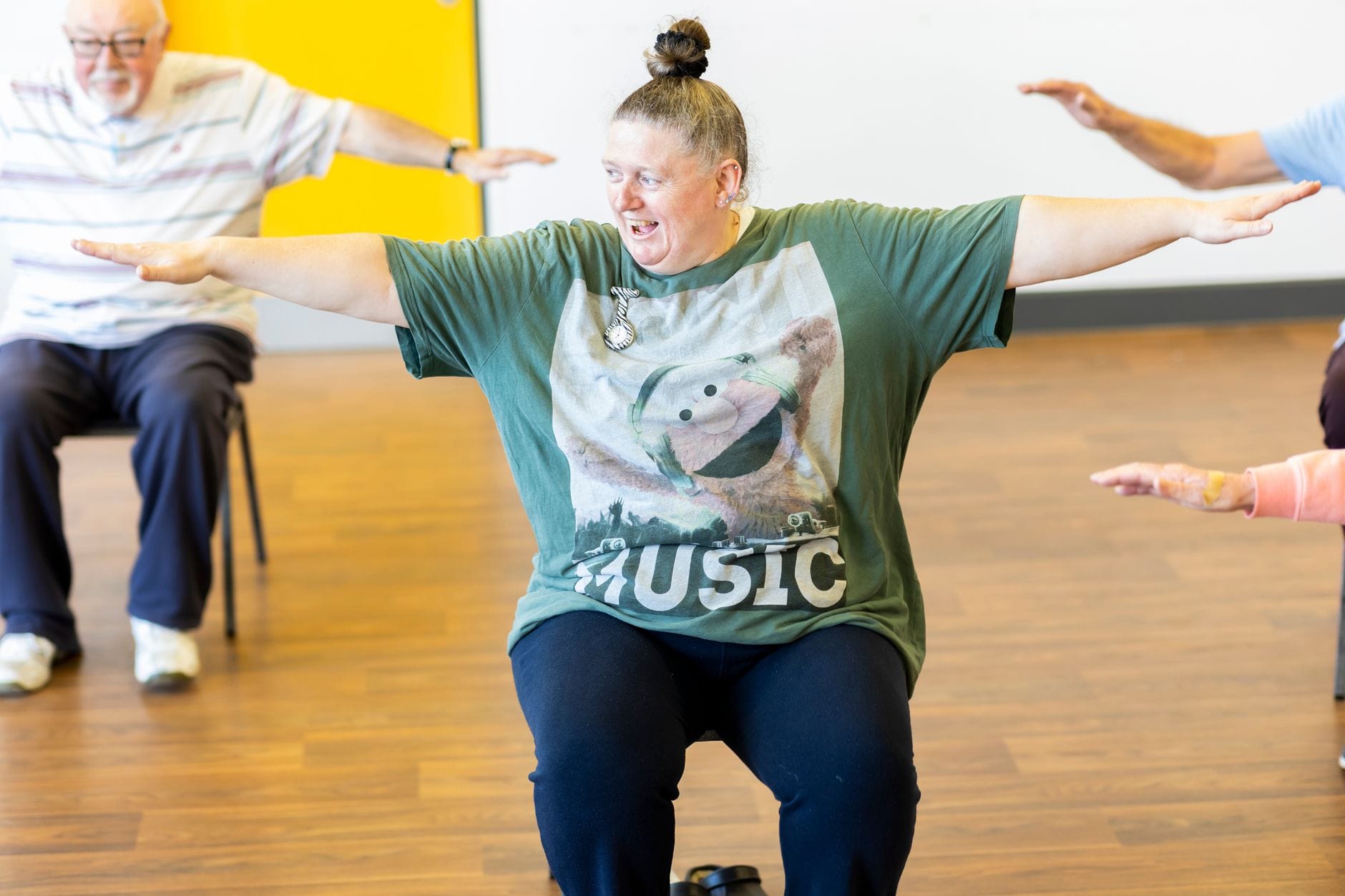
A 2025 review of eight trials in adults 60+ suggests physiotherapy, mainly structured exercise, can reduce depressive symptoms alongside usual care. Results vary widely and the overall certainty of evidence is low.
Why this matters
Depression in later life is common and consequential. Around 5% of older adults living in the community and up to 25% of those in institutional care live with depressive symptoms. In later life, depression is linked to functional decline, higher mortality and increased dementia risk. Standard treatments, such as antidepressants and psychotherapy, remain important but can be limited by side effects, drug interactions and access barriers. That makes physiotherapy-led and structured exercise programmes a plausible, practical adjunct. A new systematic review pulls together what we know, and what we do not yet know, about their impact on mood.
What the new review found
- Eight randomised controlled trials (1,368 participants, all aged 60+) tested physiotherapy techniques, most commonly therapeutic exercise, added to usual care for depression.
- Programmes included aerobic walking or cycling, progressive resistance training, mixed functional exercise, Pilates-based routines and progressive muscle relaxation.
- Typical schedules were 2 to 3 sessions per week, 30 to 60 minutes, over 8 weeks to 18 months.
- Across trials, physiotherapy plus usual care tended to improve depressive symptoms, but effects were inconsistent. Some small studies reported large improvements. A large UK care-home trial (OPERA) found no significant difference on a standard mood scale (GDS‑15).
- About half the trials took place in institutional settings and half in community or home settings. Outcomes tended to be more favourable in community-recruited samples.
- Meta-analysis was not feasible because the trials varied in exercise type, intensity, outcome measures and settings.
- Risk of bias was a concern, especially blinding, which is difficult in exercise trials. Overall certainty of evidence for depression outcomes was graded low to very low.
- Many participants continued their usual antidepressant medications during the trials, reflecting real-world practice.
Why the evidence is uneven
The trials differed in where they were delivered (community versus care homes), what they prescribed (from walking to resistance training to relaxation), how hard participants were asked to work and how mood was measured. These differences make it hard to declare one approach clearly effective. Blinding is challenging in exercise research and can inflate expectations. The review judged the overall certainty to be low to very low, so firm clinical conclusions are not yet possible, and UK generalisability is limited.
What this means for you
- Exercise remains a practical, low-risk adjunct to usual depression care, with well-established physical and functional benefits. It may help mood, but set realistic expectations, particularly in institutional settings.
- If you live in a care home (or support someone who does), note that a large UK trial found no significant depression improvement from a mixed exercise programme. Exercise may still support mobility and quality of life, but depression relief is not guaranteed.
- If you live in the community, the most commonly studied formats were aerobic walking or cycling and progressive resistance training, done 2 to 3 times per week under supervision. Adherence and supervision appeared important in studies that reported better outcomes.
Practical steps to consider
- Use exercise as an add-on, not a replacement. Discuss plans with your GP or mental health professional, especially if you take antidepressants or multiple medications.
- Start with what has been studied: 2 to 3 supervised sessions per week, 30 to 60 minutes, combining aerobic work (for example, walking) and resistance or functional exercises. Adjust intensity to your current capacity and build gradually.
- Ask for structured support. Qualified supervision can help with safety and consistency, and may improve adherence.
- Track what matters. Keep a simple log of sessions and ask your clinician or provider to monitor mood with a validated scale (such as the GDS‑15) alongside your usual care.
- Manage expectations in care homes. Benefits for mobility and daily function are plausible. Mood improvements are possible but not assured.
For clinicians and service providers
Where exercise is offered for depressive symptoms, measure mood with validated tools (for example, GDS‑15), record adherence and consider attention-matched comparators in evaluations to reduce expectancy effects.
What we still do not know
- The optimal dose, including type, intensity, frequency and duration, for clinically meaningful improvement in adults 60+, especially those over 75 or with frailty.
- Which modalities, such as resistance versus aerobic versus mixed versus relaxation, work best for specific subgroups by sex, baseline severity, cognitive impairment or multimorbidity.
- How durable any mood benefits are once programmes end, and what maintenance strategies sustain them.
- Safety profiles and adverse events in very old, frail or multimorbid participants, and how to stratify risk.
- Whether exercise can enable reductions in antidepressant dose or overall polypharmacy without loss of symptom control.
- Cost-effectiveness in UK community and care-home settings.
- The extent to which non-specific effects, such as attention and social contact, drive improvements, and how future trials should control for them.
Bottom line
For older adults aiming to protect health and independence, structured exercise remains a sound investment with multiple physical gains and a plausible, though not guaranteed, benefit for depressive symptoms. The latest review is encouraging but not definitive. Effects vary widely and certainty is low. If you choose to try it for mood, do so alongside your usual care, seek supervision and track both adherence and how you feel. Better-designed UK-relevant trials are needed to identify the best dose, the most effective modalities and the long-term impact.
Find out more
- Exercise for depression - NHS — NHS advice on using physical activity to help with depression: practical tips, starting advice and the standard 150 minutes/week guidance — a user-friendly place to begin if you want to try exercise for mood.
- Physical activity guidelines for older adults - NHS — NHS physical activity guidelines for older adults: clear recommendations on daily activity, strength/balance sessions (at least 2 days/week), and safety considerations for people aged 65+.
- Depression in adults: treatment and management | Guidance - NICE — NICE guidance on treatment and management of depression in adults, which describes group exercise as a recognised low‑intensity intervention and gives context for how exercise fits into clinical care.
- Whole home exercise intervention for depression in older care ... — Full text of the OPERA cluster randomised trial (care‑home residents) on PubMed Central — the large UK study referenced in the article that found no significant reduction in depressive symptoms from a mixed exercise programme.
- Reliability and Validity of the Geriatric Depression Scale in a Sample of Portuguese Older Adults with Mild-to-Moderate Cognitive Impairment — Peer‑reviewed paper on the reliability and validity of the Geriatric Depression Scale (GDS‑15) in older adults — useful if you want to understand the screening tool many trials (and clinicians) use to track mood.
Image: Photo: Centre for Ageing Better / Pexels